Dermal fillers have quietly become one of the most popular cosmetic treatments in the country, so it is no surprise that patients across every age group want to know when to start dermal fillers, and whether they are too young or have waited too long. Most dermal fillers are gel-based injectables placed under the skin to smooth lines or restore lost volume. According to the American Society of Plastic Surgeons, hyaluronic acid fillers were among the most popular minimally invasive cosmetic procedures in the United States in 2024, second only to wrinkle-relaxing injections among the top injectable treatments. The ASPS 2024 Plastic Surgery Statistics Report also found that 5,331,426 patients chose hyaluronic acid fillers in 2024, a 1% increase from the previous year.
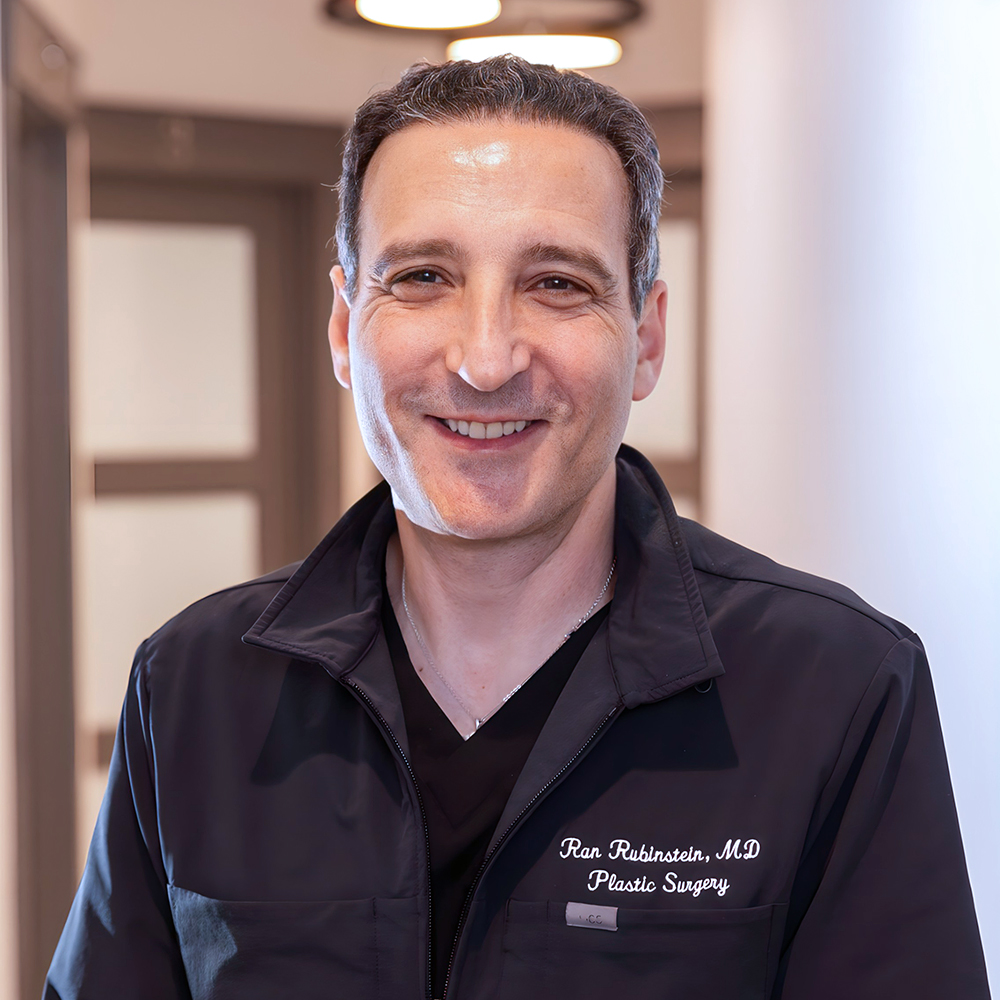
I am Dr. Ran Rubinstein, a double board-certified facial plastic surgeon and the founder of Laser & Cosmetic Surgery Specialists in Newburgh, NY. My team of trained injectors and I care for patients across the Hudson Valley, and the honest answer I give them is that there is no single best age. What matters far more is what is happening in your face right now and what you are hoping to change.

What Matters More Than Your Age
- There is no universal best age to begin dermal fillers.
- Patients in their 20s usually want subtle enhancement, not correction.
- Early volume loss often starts quietly in your 30s.
- In your 40s and beyond, fillers can restore support and gently lift areas that have started to sag.
- Your goals and facial anatomy guide the plan more than your age alone.
Why There Is No One “Best Age” for Fillers
Two people who are the same age can need completely different things. The earliest sign of aging is one almost no one notices until it is obvious, and that is facial volume loss. It tends to begin in the early 30s and quietly makes people look tired no matter how much sleep they get. When I study a face, I can often estimate someone’s age from the side profile alone, because volume changes the way light falls across the cheek and jaw, casting either a soft highlight or a shadow.
That is why age is never the deciding factor for me. A patient in their late 20s with naturally hollow cheeks may benefit from filler well before someone in their 40s who has held onto their volume. The ASPS report notes that “soft tissue fillers remain popular with those 40-54,” who account for 50% of patients undergoing the procedure, which is another reminder that filler timing depends on the face, not the birthday.
Fillers in Your 20s: Subtle Enhancement, Not Overcorrection

The FDA approves dermal fillers for specific uses in adults 21 and older, so this is the decade when many patients first become candidates. Most people who come to see me in their 20s are not chasing wrinkles. They are interested in refinement and prevention, in becoming a slightly more polished version of themselves rather than reversing changes that have not happened yet.
Common requests at this age include fuller, balanced lips, a more defined chin, and a smoother nasal profile without surgery. For patients asking about the right age for lip fillers, the answer is less about a specific number and more about facial maturity, anatomy, goals, and whether the treatment can be done conservatively. The guiding principle for me is restraint. A little goes a long way, and the goal is to enhance the features you already have so that no one can tell you have had anything done at all.
Fillers in Your 30s: When Early Volume Loss Can Begin
The 30s are usually when subtle changes start to show up at rest. Collagen production slows, the first faint smile lines linger a little longer, and the temples, cheeks, and under-eyes can begin to look slightly deflated. Often, this is the early volume loss I described earlier, now starting to show.
For many patients this is the right time to be intentional. Hyaluronic acid fillers can gently restore volume in the midface and soften early lines while keeping everything looking natural and unforced. The aim in this decade is maintenance and small corrections, not transformation. This is also when dermal fillers for volume loss can be especially helpful, because small, strategic adjustments can support facial shape before the changes become more advanced.
Fillers in Your 40s and 50s: Restoring Support and Definition
By the 40s and 50s, the changes become more layered. We lose volume at several levels, from the bone and deep fat pads to the cheeks, jawline, and chin. At the same time, the ligaments that support the face begin to loosen, so the face starts to sag in a way that volume loss alone does not fully explain. Restoring that lost structure can do more than fill a line. Done well, it can actually lift.
What is a liquid facelift?
A liquid facelift is my non-surgical approach to that combination of volume loss and sagging. What makes my technique different is that I borrow the same principles I use in my deep plane facelift surgery. Instead of packing product into the center of the face, which tends to move and can look heavy when you smile, I place filler along the outer line of ligaments where there is very little movement. That supports and repositions the cheek fat pads that have drifted downward, lifting them back toward where they used to sit. The point is not to fill the face. The point is to lift it, which means I can use far less product and still get a more natural result.
There is very little downtime, and we can treat any bruising with laser afterward, so most people are back to their routine quickly. Hyaluronic acid fillers used in this approach tend to last a year to two years, and biostimulators can last two years or longer.
Patient Results
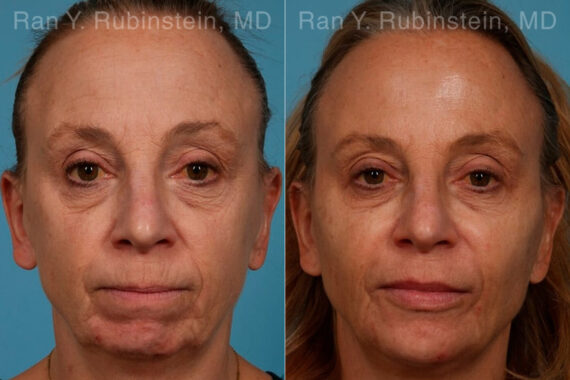
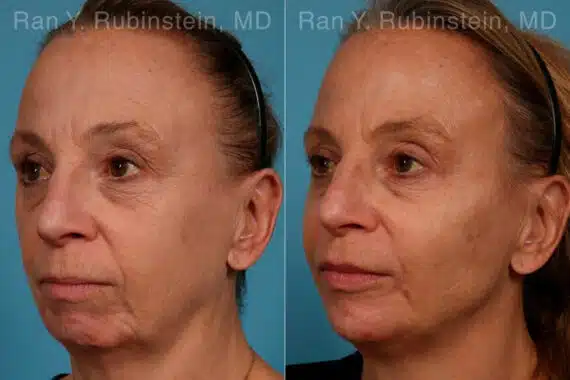
* All patients are unique and individual results may vary.
Fillers After 50: When Combination Treatments Matter
After 50, fillers rarely do their best work alone. This is the stage where combining treatments makes the biggest difference, and where I think less about any single product and more about the whole plan. Restoring lost volume is still part of it, but maintaining muscle balance and skin quality matters just as much.
Neuromodulators like Botox can play a quiet supporting role here. Placed thoughtfully into the muscles that pull the face down, they allow the lifting muscles to work unopposed, which adds a subtle anti-gravity effect along the jawline and neck. Skin resurfacing and collagen-building treatments round out the result. No single treatment does everything after 50, and the best outcomes come from a plan that addresses volume, movement, and skin together.
Start Your Journey to Success, Don’t Wait More!
Join our satisfied clients who’ve experienced safe, effective treatments.
Your Goal Matters as Much as Your Age
One of the most useful questions I ask is whether a patient’s main issue is lost volume or loosening skin, because the answer changes the plan. For most people who want real rejuvenation, it is some of both. Restoring volume in the outer face, where the ligaments live, creates a lifting effect, and at the same time we want to support the skin’s own elasticity.
The helpful part is that certain products do both at once. Biostimulators like Sculptra and Hyperdilute Radiesse can handle volume restoration while encouraging gradual collagen production and improved elasticity, with results that build slowly and tend to look natural.
How My Team and I Decide If Fillers Are Right for You
What a patient asks for and what will actually give them the result they want are not always the same thing, and sorting that out is the most important part of the visit. Someone may come in certain they want lip filler, but accurate photos and a full assessment from every angle might show that a slightly weak chin is the real reason their profile feels off. In that case, facial balancing gives a better outcome than lips alone.
Other times a patient asks for more cheek filler believing it will lift the face, when more product would only leave them looking overfilled and unnatural. What they may actually need is a biostimulator, a treatment that improves elasticity, or in some cases surgery. Good photos, a careful assessment, and an honest conversation are what guide patients toward what they truly need rather than what they walked in convinced they needed.
Schedule a Dermal Filler Consultation in Newburgh, NY
If you have been wondering whether this is the right time for fillers, the best next step is a consultation. Call our Newburgh office or request an appointment online to meet with our team and build a plan that fits your face and your goals. We care for patients throughout the Hudson Valley, including Middletown, Poughkeepsie, Beacon, and Cornwall.
Frequently Asked Questions
The right time to start fillers is when there is something specific you want to enhance, restore, or maintain, not when you reach a certain age. Some patients begin in their 20s for subtle lip, chin, or profile refinement, while others wait until their 30s, 40s, or later when volume loss becomes more visible. A consultation helps determine whether filler is the right treatment or whether another option would better match your goals.
Prejuvenation is a preventative approach to aging rather than a corrective one. It usually combines good skin care, sunscreen, in-office skin treatments, and conservative Botox to slow changes before they set in. More patients in their 20s and 30s are choosing it because staying ahead of aging is often easier than reversing it later.
You have not missed your window. Patients who start later often see some of the most rewarding results, simply because there is more to restore and lift. A thoughtful plan, often using a liquid facelift approach, can improve volume, jawline definition, and cheek contour without surgery.
The overfilled look usually comes from too much product placed in the wrong areas, especially the center of the face. Avoiding it comes down to restraint, strategic placement, and an experienced injector who treats the whole face rather than chasing one feature. Less is almost always more.
About Dr. Ran Rubinstein
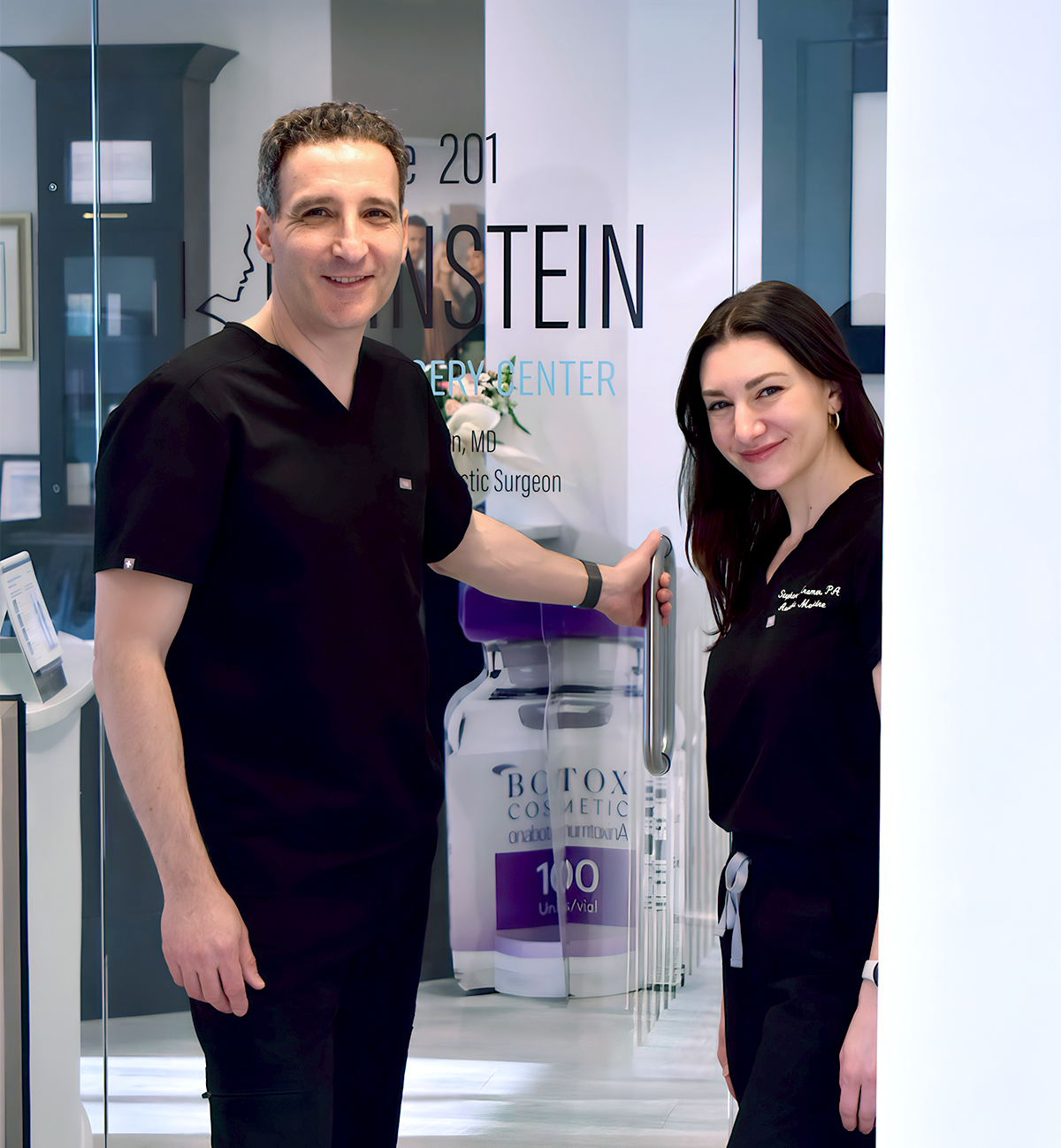
I am a double board-certified facial plastic surgeon with more than 20 years of experience, and I founded Laser & Cosmetic Surgery Specialists in Newburgh, NY. Alongside my surgical work, I serve on the national education faculty for Allergan, the maker of Botox and Juvederm, and for Galderma, the maker of Restylane and Sculptra, training other injectors in advanced techniques. That background in both surgery and injectables shapes how I approach every treatment plan, with a focus on natural, balanced results for patients across the Hudson Valley and beyond.