Quick Answer: Most patients feel comfortable returning to work, social activities, and being seen in public about 10 to 14 days after blepharoplasty. Some mild swelling, puffiness, or incision redness may still be visible, but the eyes usually look increasingly natural over the next 2 to 4 weeks. Subtle swelling and final healing can continue for several months.
After blepharoplasty, it’s completely normal to look in the mirror and wonder, How Long After Blepharoplasty Will I Look Normal? I hear this question often from patients, especially during the first few days when swelling and bruising are at their most noticeable.
The good news is that your appearance will improve gradually as your eyelids heal. Most patients start to feel much more comfortable with how they look within the first couple of weeks. Knowing what to expect during eyelid surgery recovery can make the process easier and help you feel more confident as the swelling settles and your results begin to take shape.
Blepharoplasty Recovery Timeline at a Glance
| Time After Surgery | What You May Notice |
|---|---|
| Days 1–2 | Swelling, bruising, tightness, and mild discomfort are usually most noticeable. |
| Days 3–5 | Bruising and swelling may still be prominent, with some dryness or irritation. |
| Days 6–7 | Swelling begins to improve, and the eyes start to look more natural. |
| 10–14 Days | Most patients feel comfortable returning to work, social activities, and being seen in public. |
| Weeks 2–4 | Bruising and swelling continue to fade, and the eyes look increasingly natural. |
| 1–3 Months | Most noticeable swelling is gone, while the eyelid skin and incisions continue to settle. |
| 3–6 Months | Residual swelling is usually minimal, and the final results become more apparent. |
Blepharoplasty Recovery: Key Takeaways
- Following your surgeon’s aftercare instructions and avoiding strenuous activity can help support a smooth recovery.
- Most patients feel comfortable returning to work and social activities about 10 to 14 days after blepharoplasty.
- The eyes usually look more natural over the next 2 to 4 weeks as swelling and bruising continue to fade.
- Mild puffiness, redness, tightness, or temporary asymmetry can still be present during early healing.
- Subtle swelling and incision changes may continue improving for several months.
Blepharoplasty Recovery Time: When You’ll Look Normal
In most cases, people feel ready to return to their normal activities, including going out in public or returning to work, after about 10-14 days. Some swelling may still be present, but the eyes usually look increasingly natural over the next 2 to 4 weeks. Subtle swelling and incision changes can continue to improve for several months as the tissues settle and the final results become more apparent.
Blepharoplasty Recovery Timeline
The First Week: Swelling, Bruising, and Doubt
The first few days after surgery are often the hardest. Your eyelids may feel tight, swollen, and bruised. It’s normal to wake up feeling puffy, and you might even wonder if you made the right choice. Rest assured, these early changes are temporary. Keeping your head elevated, using cold compresses, and following your doctor’s postoperative care instructions will help speed up healing.
The First Week: Swelling, Bruising, and Doubt
- Day 1–2: Immediate Aftermath. Swelling and mild discomfort are most noticeable during the first 48 hours. Your eyelids may feel tight, and your vision can be slightly blurry due to ointments and tearing.
- Day 3–5: Peak Bruising and Tightness
Bruising and swelling typically peak during this stage. The eyelids may appear discolored and feel firm or tight. Some patients also experience dryness or mild irritation.
- Day 6–7: Early Improvement
Swelling and bruising begin to improve gradually. Many patients return for a follow-up visit during this time, and stitches or sutures may be removed. While the eyes may still look puffy, the overall appearance starts to look more natural.
- Week 1: Noticeable Progress
By the end of the first week, a significant portion of the swelling and bruising has subsided. Most patients begin to feel more comfortable, although some tightness or minor discoloration may still be present.
Weeks 2-4: The Turning Point
- By the second week, swelling and bruising begin to fade.
- Suture removal may take place, and some patients feel comfortable applying eye makeup to cover any remaining discoloration.
- Sunglasses can also help mask the healing process when outdoors.
- During this intermediate healing phase, minor puckering or tightness may still be present. This typically resolves on its own.
- Avoid strenuous activities that could strain healing tissues.
One to Three Months: A New Normal
- By the end of the first month, most of the noticeable swelling is gone.
- Subtle changes continue as scars fade, and the eyelid skin settles.
- Your appearance evolution begins to take shape. At this stage, individual healing rates vary.
- Some may see full recovery within 6-8 weeks, while others may need up to three months for the eyelid surgery recovery time to fully stabilize.
Three to Six Months: The Final Transformation
- By the three-month mark, your eyelid lift surgery results are nearly final.
- Any residual swelling is minimal, and the healing journey nears completion.
- Eyelid surgeries improve over time, and long-term satisfaction is often high.
Start Your Journey to Success, Don’t Wait More!
Join our satisfied clients who’ve experienced safe, effective treatments.
The Emotional Side of Blepharoplasty Recovery
Healing isn’t just physical, it’s mental, too. During blepharoplasty recovery, it’s completely normal to feel self-conscious or impatient at times. If you have moments of doubt, remind yourself why you chose this procedure and focus on long-term results rather than day-to-day changes. Looking at before and after photos can help you see your progress more clearly. As your eyelid surgery recovery continues, your results will become more apparent over the next few months. Following your surgeon’s post-operative instructions carefully can also help support a smoother healing process.
Common Side Effects During Blepharoplasty Recovery
During eyelid surgery recovery, it’s normal to experience temporary side effects as your body heals:
- Swelling and Bruising: Improves significantly after two weeks.
- Tightness or Dry Eyes: Some patients experience blurry vision or mild eye strain.
- Puckering: Temporary puckering of the eyelid skin may occur but improves with time.
- Asymmetry: Swelling may cause minor imbalances that resolve as healing progresses.
- Sensitivity to Light: Wear sunglasses to protect sensitive eyelids from bright light.
If you experience excess swelling or signs of infection, contact your eye surgeon immediately.
Blepharoplasty Aftercare Tips for Faster Healing
Proper care plays a major role in eyelid surgery recovery and can significantly improve healing outcomes. Follow these steps:
- Keep Your Head Elevated: Sleeping with your head propped up on pillows reduces swelling.
- Apply Cold Compresses: Use for the first 48 hours to manage bruising.
- Use Prescribed Eye Drops & Ointments: These help with dry eyes and eyelid skin recovery.
- Limit Eye Strain: Reduce screen time and avoid intensive exercise.
- Avoid Heavy Lifting: Strenuous activities can prolong recovery time.
- Be Gentle Around the Eyes: Avoid rubbing or stretching the surgical area.
- Manage Puckering with Gentle Massage: Helps relax the skin and incisions.
- Follow a Healthy Diet: Nutrient-rich foods aid optimal healing.
- Protect Your Eyes: Sunglasses shield from UV exposure.
- Stay Hydrated: Water helps reduce swelling and supports skin healing.
By following these blepharoplasty recovery tips and attending follow-ups, you’ll achieve the best possible eyelid lift results..
Before and After Eyelid Surgery Results
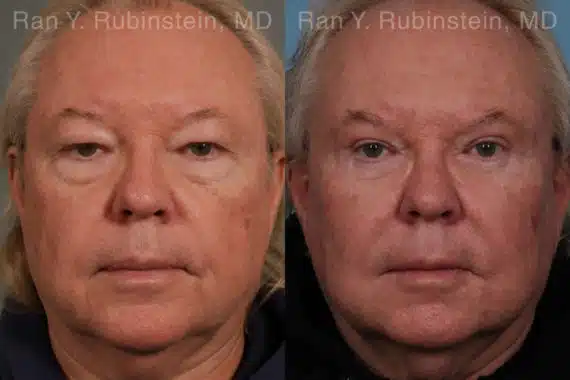
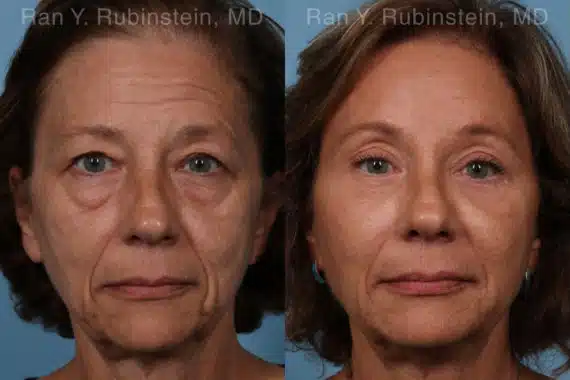
* All patients are unique and individual results may vary.
Final Blepharoplasty Results: What to Expect After Healing
Most people start to look “normal” around the one-month mark, although full eyelid surgery recovery and final results can take three to six months.
If you’re considering blepharoplasty, focus on realistic recovery expectations. Soon, you’ll look in the mirror and see a refreshed, rejuvenated version of yourself —and it will feel completely natural. Schedule Your Eyelid Lift Consultation Today!
Frequently Asked Questions About Blepharoplasty Recovery
Most patients feel comfortable going out in public within 10–14 days after eyelid surgery. By this time, most visible bruising and swelling have improved significantly, although minor swelling may still be present.
Most people start to look “normal” around 3–4 weeks after blepharoplasty. However, subtle swelling can last for 2–3 months, and final results continue to improve as the eyelid tissues fully settle.
Initial recovery takes about 10–14 days, but full blepharoplasty recovery time can range from 6 weeks to 3 months, depending on individual healing and the extent of the procedure.
Patients can typically resume wearing eye makeup after 10–14 days, once the incisions have healed and any sutures have been removed. Always follow your surgeon’s specific recommendations.
Yes, swelling is a normal part of the healing process. It is usually most noticeable during the first week and improves significantly after 2–3 weeks, with minor swelling gradually resolving over time.
Temporary asymmetry is common after eyelid surgery due to uneven swelling. This typically resolves on its own as healing progresses and tissues settle.
Light activity can usually resume after 1–2 weeks, but strenuous exercise and heavy lifting should be avoided for at least 3–4 weeks to prevent complications and prolonged swelling.