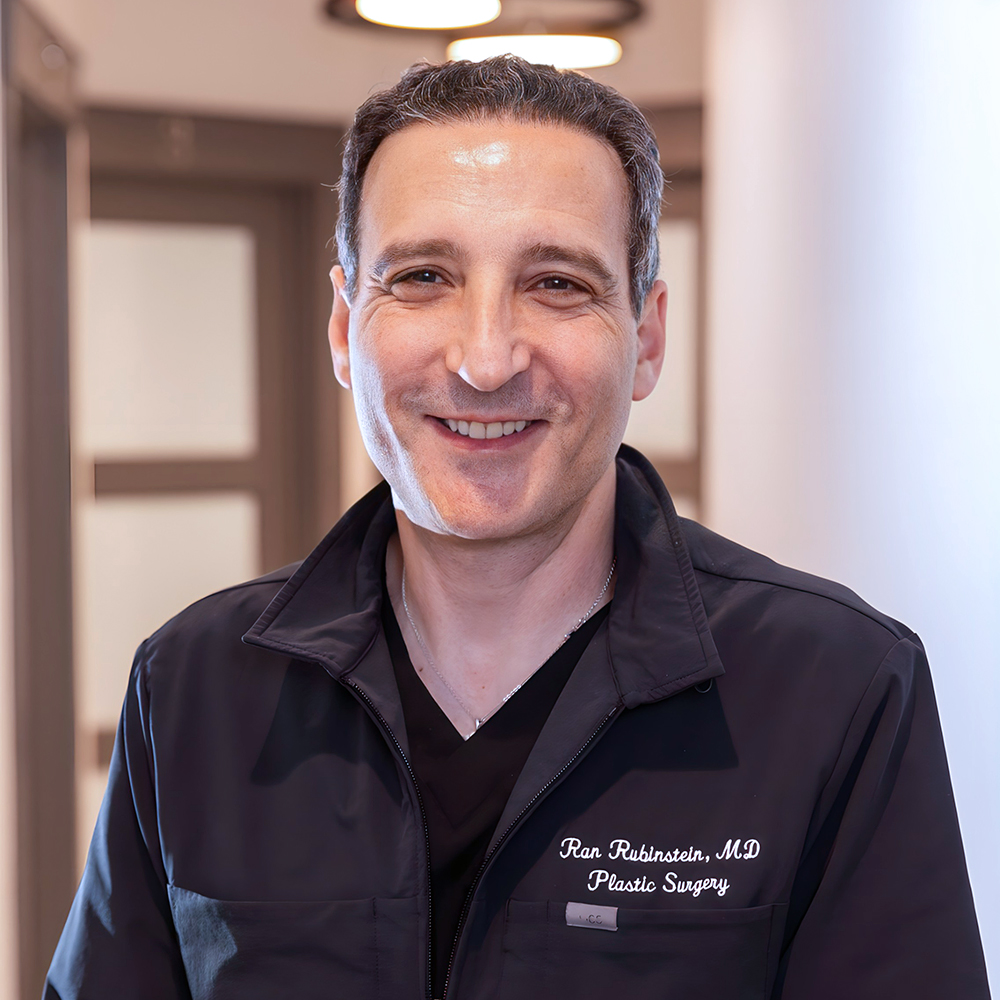
A neck lift can create a smoother, more defined neck and jawline, but the recovery process is just as important as the procedure itself. In my practice, I find that patients feel more confident and prepared when they understand what to expect during each stage of healing.
Understanding the neck lift day-by-day recovery timeline and what to do to have a smooth healing process will help set realistic expectations and allow you to plan accordingly. Here’s what you need to know about your neck lift recovery journey.
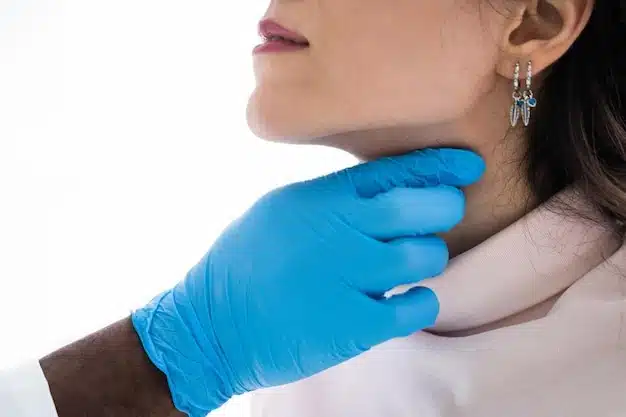
Key Takeaways
- Most patients need about 1–2 weeks before returning to desk work or light daily routines.
- Swelling and bruising are usually most noticeable during the first 10–14 days.
- Many patients feel more comfortable by weeks 3–4, but tightness, firmness, or mild swelling can continue.
- Exercise and heavy lifting should only resume after your surgeon clears you, often around 4–6 weeks.
- Final swelling, scar fading, and neck contour refinement may continue for several months.
How Long Does It Take to Recover From a Neck Lift?
Patients typically need pain medication for about 3-5 days to manage discomfort. Swelling and bruising are most intense during the first 10-14 days but gradually subside. Most people feel well enough to return to work after 2 weeks, though working from home may be possible after the first week. While significant improvement is visible within the first month, full healing generally takes around 4–6 weeks.
| Recovery stage | What to expect | Care tips |
|---|---|---|
| Day 1 | Grogginess, tightness, bandages, and possible drains | Rest, head elevation, caregiver support |
| Day 2 | Swelling and bruising may increase | Take medications as directed, avoid neck strain |
| Days 3–5 | Swelling and bruising often peak | Attend follow-up, keep head elevated |
| Days 6–7 | Discomfort usually starts improving | Continue light walking, avoid strenuous activity |
| Weeks 1–2 | Bruising improves, and many return to desk work | Follow incision care instructions |
| Weeks 3–4 | Neck contour becomes more visible | Resume light activity only if cleared |
| Weeks 4–6 | Most normal routines gradually resume | Exercise only with surgeon approval |
| 3+ months | Final swelling and scars continue improving | Use sun protection and attend follow-ups |
Neck Lift Recovery Timeline: Healing Stages
Neck lift recovery is a gradual process, and I want patients to understand that healing does not happen all at once. Swelling, bruising, tightness, and temporary discomfort are common early on, but these symptoms usually improve step by step. Below, I break down the typical recovery timeline so you know what may happen during each stage and how to support your healing.
What Happens on Day 1 After Neck Lift Surgery?
On the first day after neck lift surgery, I want patients to focus on rest, support, and careful positioning. You’ll be monitored for several hours after the procedure to make sure there are no immediate concerns. Once cleared, you’ll go home with dressings on your incisions and possibly a drainage tube to help prevent fluid buildup. Because anesthesia can leave you feeling groggy, you’ll need someone to drive you home and stay with you. Keeping your head elevated and avoiding unnecessary neck movement can help minimize swelling during this early stage.
First Day After Your Neck Lift Surgery
Day 2: Managing Pain and Swelling
On the second day after surgery, you may experience increased swelling and bruising in the neck area. Continue taking prescribed pain medication as directed to help manage discomfort. The American Society of Plastic Surgeons recommends keeping your head elevated and avoiding excessive twisting or bending of the neck during recovery. If your surgeon recommends cold compresses, use them exactly as instructed and never apply ice directly to the neck. It’s also important to avoid strenuous activity and keep movements gentle to support healing.
Managing Pain and Swelling
Days 3–5: Early Healing Progress and Care Tips
Between days three and five post-surgery, swelling and bruising may peak but should gradually begin to subside. You might have a follow-up appointment during this period to monitor your healing progress and possibly remove any drains or change dressings. It’s important to continue keeping your head elevated and avoiding strenuous activities. Maintaining a balanced diet and staying hydrated can support the healing process.
Early Healing Progress and Care Tips
Days 6–7: When You Might Start Feeling Better
By days 6 and 7, many patients begin to feel more comfortable, although swelling, bruising, and tightness may still be present. I usually encourage light walking during this stage, but strenuous activity should still be avoided. Any stretching or neck movement should be gentle and only done if recommended by your surgical team.
When You Might Start Feeling Better
Weeks 1–2: Returning to Light Activities
During the first and second weeks, I typically see bruising and swelling begin to improve, and many patients feel ready to return to desk work or light daily routines. Bandages may be removed during this period, and incision sites are checked to make sure they are healing properly. Even if you feel better, it is important to continue avoiding strenuous activity and follow your post-operative instructions closely.
Returning to Light Activities
Weeks 3–4: Visible Improvements and Continued Healing
Between weeks 3 and 4, patients often notice more visible improvement in the neck and jawline. Swelling is usually reduced, bruising is often minimal, and daily activities may feel easier. However, I still advise patients to be cautious with strenuous exercise, heavy lifting, or movements that strain the neck until they are cleared.
Visible Improvements and Continued Healing
What to Expect 4 Weeks After a Neck Lift
At 4 weeks after a neck lift, most patients have returned to many normal daily activities. Bruising is usually minimal or resolved, and swelling is noticeably improved, although final results are still developing. Johns Hopkins Medicine notes that recovery from a neck lift takes several weeks and that swelling may continue improving after the early recovery period. The neck may still feel tight, firm, or slightly numb as deeper tissues continue to heal. Scars are also still maturing, so sun protection and proper incision care remain important. Patients should continue following their surgeon’s instructions before resuming intense workouts or heavy lifting.
Long-Term Recovery and Final Results
Start Your Journey to Success, Don’t Wait More!
A smooth recovery starts with the right care and the right team. Connect with us to learn how we can support your journey from consultation to final results.
Top Recovery Tips After a Neck Lift Surgery
Proper aftercare is essential for a smooth neck lift recovery and the best possible results. These are the main recovery tips I review with patients, although your personalized post-operative instructions should always be your primary guide:
- Rest and keep your head elevated – Give your body time to heal and sleep with your head elevated to help reduce swelling and avoid unnecessary pressure on the neck.
- Avoid excessive neck movement – Try not to bend, twist, or turn your neck too much during the early recovery period. Gentle movements help protect the healing tissues and incisions.
- Follow incision, dressing, and drain care instructions – Keep incision sites clean and dry as directed. If you have drains, bandages, or a compression garment, use them exactly as instructed by your surgeon.
- Take short, gentle walks – Light walking can support circulation during recovery. Avoid heavy lifting, bending, running, or strenuous workouts until your surgeon clears you.
- Use cold compresses only if instructed – If your surgeon recommends cold compresses, use a gentle, wrapped cold compress for short intervals during the first 24–48 hours after surgery, typically about 10–15 minutes at a time. Never apply ice directly to the skin.
- Wear loose, comfortable clothing – Choose button-up or zip-front tops so you do not have to pull clothing over your head and strain your neck.
- Stay hydrated and eat a healthy diet – Drink plenty of water and focus on lean proteins, fruits, vegetables, and low-sodium foods to support healing and help minimize swelling.
- Avoid smoking, nicotine, and alcohol – Nicotine can interfere with blood flow and slow healing, while alcohol can interact with pain medication and increase recovery risks.
- Protect your skin from the sun – Sun exposure can darken healing scars and affect your final results, so keep incision areas covered and use sun protection as directed.
Patient Results
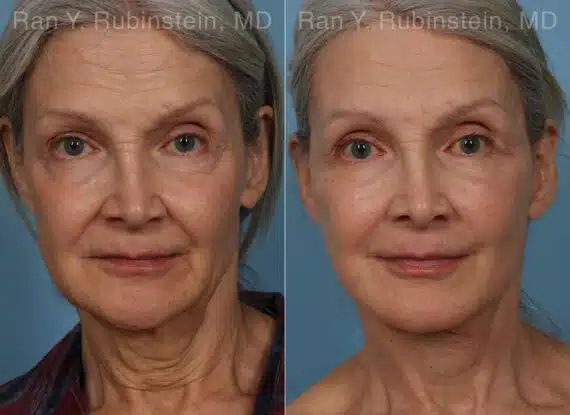
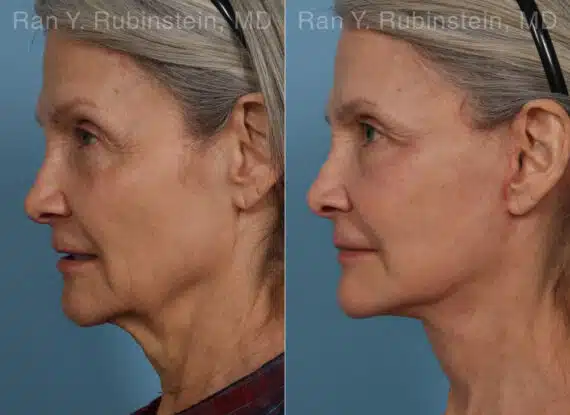
* All patients are unique and individual results may vary.
When to Call Your Surgeon During Neck Lift Recovery Time
While swelling, bruising, tightness, and mild discomfort are usually part of normal recovery, I want patients to know which symptoms should be addressed promptly. Mayo Clinic lists bleeding under the skin, infection, nerve injury, skin loss, open wounds, and anesthesia reactions as possible neck lift risks, which is why it is important to contact your surgeon right away if you experience:
- Sudden or worsening swelling
- One-sided swelling that appears quickly
- Significant bleeding
- Increasing redness or warmth around the incisions
- Unusual drainage from the incision sites
- Fever
- Severe pain that does not improve with medication
- Shortness of breath, chest pain, dizziness, or symptoms that feel unusual
Every patient heals differently, so it is always better to call your surgical team if you are unsure whether a symptom is part of the normal recovery process.
How To Choose The Best Neck Lift Surgeon
As a facial plastic surgeon, I encourage patients to choose a surgeon who has specialized experience with neck lift and facial rejuvenation procedures. A qualified surgeon should evaluate your anatomy carefully, explain the techniques involved, review the recovery process, and provide detailed aftercare instructions to help reduce the risk of complications.
At my practice, I create personalized neck lift treatment plans based on each patient’s anatomy, goals, and recovery needs. With more than two decades of experience in facial plastic surgery, my goal is to help patients achieve natural-looking neck and jawline refinement while feeling informed and supported throughout the process. To schedule a consultation, call us today at (845) 863-1772.
Frequently Asked Questions About Neck Lift Recovery
About the Author
Dr. Ran Y. Rubinstein is a double-board-certified facial plastic surgeon specializing in facial rejuvenation procedures, including neck lift surgery.
With more than two decades of experience, Dr. Rubinstein focuses on natural-looking results, personalized treatment planning, and detailed post-operative care to help patients feel informed and confident throughout their surgical journey.