Laser resurfacing for acne scars is a widely used approach for improving skin texture and reducing visible scarring after breakouts. Acne scars can develop when inflammation damages collagen and leaves permanent changes in the skin’s surface. Modern laser treatment options help stimulate collagen production, resurface damaged skin, and support long-term scar reduction.
At Laser & Cosmetic Surgery Specialists in Newburgh, NY, treatment plans are personalized based on scar type, skin type, and overall skin health. Several energy-based treatments are available, including our Fractional CO2 laser resurfacing, each designed to address different concerns related to acne, scars, and skin texture.

What to Know About Laser Resurfacing for Acne Scars
- Laser resurfacing for acne scars helps improve skin texture and reduce the appearance of scars.
- Different types of laser resurfacing target varying depths of damaged skin.
- Fractional laser treatment stimulates collagen production and supports skin renewal.
- Light-based treatments may help prevent future scarring by treating active acne.
- Results develop gradually as new collagen forms and the skin heals.
Why Acne Scars Are Difficult to Treat
Acne scars form when inflammation from acne damages the skin’s structure. During healing, the body may produce too little or too much collagen, resulting in depressed or raised scars. Common types of acne scars include ice pick scars, boxcar scars, and deeper scar tissue changes.
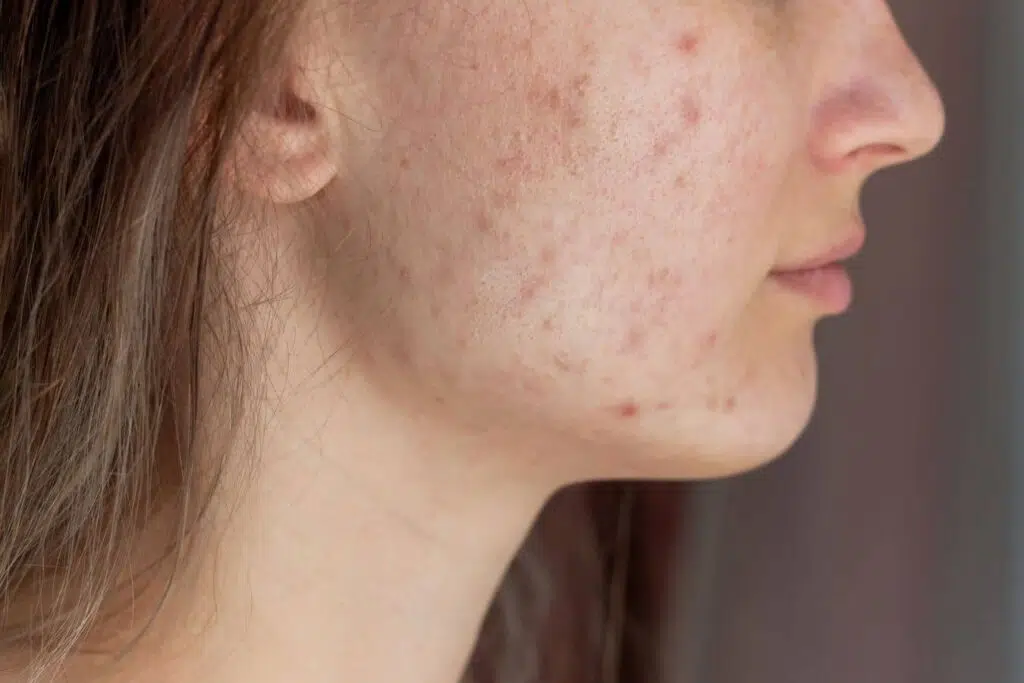
In some cases, patients develop keloid scarring in response to severe acne. Keloids are raised, firm scars caused by excessive collagen production and may appear red, tender, or itchy. Because keloid scars behave differently from depressed acne scars, they often require a specialized treatment approach.
Because acne scars involve structural damage beneath the skin’s surface, topical skin care products alone often cannot fully address them. Laser skin treatments work by stimulating collagen production and encouraging the skin’s natural healing process to improve texture and tone.
Factors such as skin type, scar depth, and history of breakouts influence which treatment options are most effective.
How Laser Resurfacing for Acne Scars Works
Laser resurfacing uses focused light energy to create controlled changes in the skin that remodel damaged tissue and stimulate new collagen formation. Some treatments remove surface layers of skin, while others work beneath the surface. As the skin heals, treated areas become smoother and more even in tone.
Different types of laser resurfacing work at varying depths:
- Non-ablative laser treatment stimulates collagen beneath the surface while leaving the outer layer intact.
- More intensive resurfacing targets deeper layers of scar tissue for greater skin renewal.
- Fractional technology treats small areas of skin at a time, allowing faster healing.
Collagen stimulation is the key mechanism behind scar reduction. Over time, new collagen helps fill depressed scars, improve skin texture, and restore healthier skin.
Fractional Laser Resurfacing for Acne Scars
Fractional laser technology is widely used in cosmetic dermatology and facial plastic surgery because it treats only a portion of the skin at a time, promoting faster recovery while supporting effective results.
Fraxel Dual Patient Results
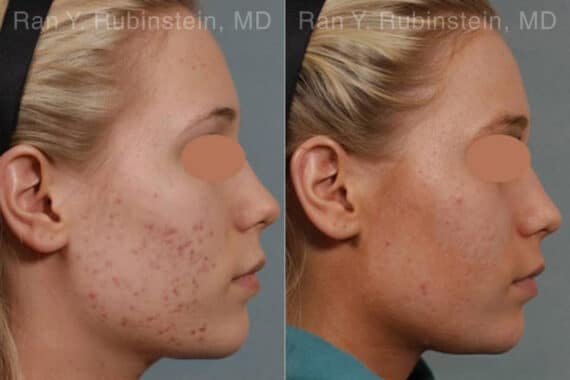
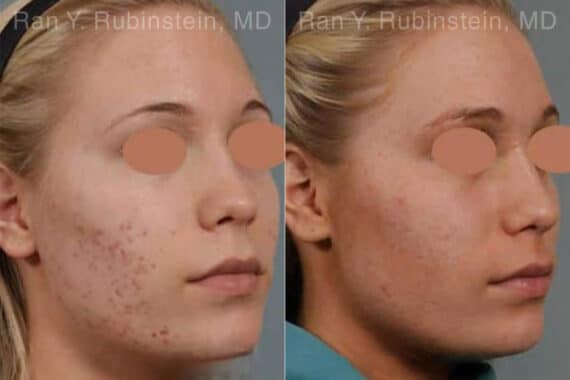
* All patients are unique and individual results may vary.
Fraxel Dual Laser Treatment
Fraxel Dual is a non-ablative fractional laser treatment that targets damaged skin while preserving surrounding tissue. This laser therapy stimulates new collagen production and improves skin tone, texture, and the appearance of acne scars.
Fraxel laser treatment is often recommended for:
- Mild to moderate acne scars
- Uneven skin texture
- Hyperpigmentation and discoloration
- Sun-damaged skin
Because it is non-ablative, healing time is typically shorter than more aggressive ablative laser treatment, making it suitable for patients seeking effective results with moderate downtime.
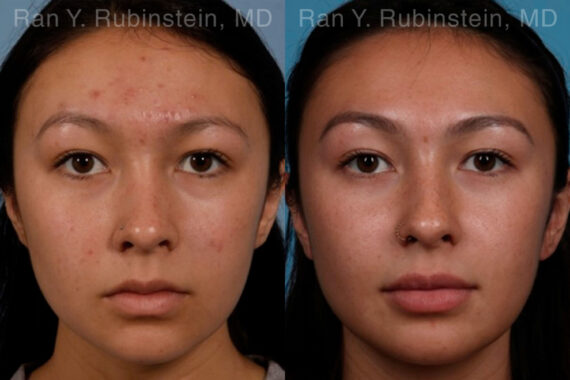
Clear + Brilliant Laser Treatment
Clear + Brilliant is a gentle laser treatment designed to refresh the skin and improve overall skin tone and texture. While less aggressive than other resurfacing procedures, it supports skin renewal and may stimulate collagen to help maintain healthy skin.
This treatment is often used to improve overall skin quality and may be incorporated into a long-term skin care and facial rejuvenation plan.
Ablative Laser Resurfacing for Deeper Acne Scars
While non-ablative fractional lasers treat the skin beneath the surface, ablative laser resurfacing removes damaged outer layers of skin while stimulating more intensive collagen remodeling.
Fractional CO2 Laser
Fractional CO2 Laser is an ablative laser resurfacing treatment used for deeper acne scars and more advanced skin damage. By creating controlled micro-injuries in the skin, this ablative laser treatment promotes significant collagen renewal and skin resurfacing.
Fractional CO2 Laser may be recommended for:
- Deep acne scars
- Depressed or boxcar scars
- Significant textural irregularities
- More severe skin damage
Because ablative lasers treat deeper layers of the skin, they typically involve more downtime than non-ablative treatments. However, in appropriate candidates, they can provide more substantial improvement in scar depth and skin texture.
Vascular and Redness-Targeting Laser Treatments for Acne Scars
Some patients develop redness, inflammation, or raised scarring following severe acne. In cases where scars are red or vascular in nature, targeted laser treatments may be recommended.
Laser Genesis and YAG Excel V+
Laser Genesis and YAG Excel V+ are energy-based laser technologies that can target redness, inflammation, and certain vascular components of scarring. These treatments may help improve persistent redness associated with acne and certain types of raised scarring.
In cases of keloid scarring, which results from excessive collagen production, treatment may involve a combination of vascular laser therapy such as the YAG Excel V+ laser along with corticosteroid or Botox injections to help reduce scar thickness and symptoms. Because keloids behave differently from depressed acne scars, careful evaluation is essential before selecting treatment.
Comprehensive Acne Scar Treatment Planning
Laser resurfacing is not a single procedure but a customized process tailored to each patient. Treatment selection depends on:
- The type of acne scars present
- Depth of scarring
- Skin type and sensitivity
- Desired level of improvement
- Recovery preferences
Some patients benefit from more intensive resurfacing to address deep scars, while others achieve improvement through a series of gentler laser treatments.
A comprehensive evaluation helps determine the most appropriate approach for safe and effective scar treatments.
Start Your Journey to Success, Don’t Wait More!
Join our satisfied clients who’ve experienced safe, effective treatments.
Complementary Treatments That Support Acne Scar Improvement
A multimodal treatment approach is often recommended for acne scarring. Combining laser resurfacing with other therapies can improve collagen stimulation and support overall skin quality.
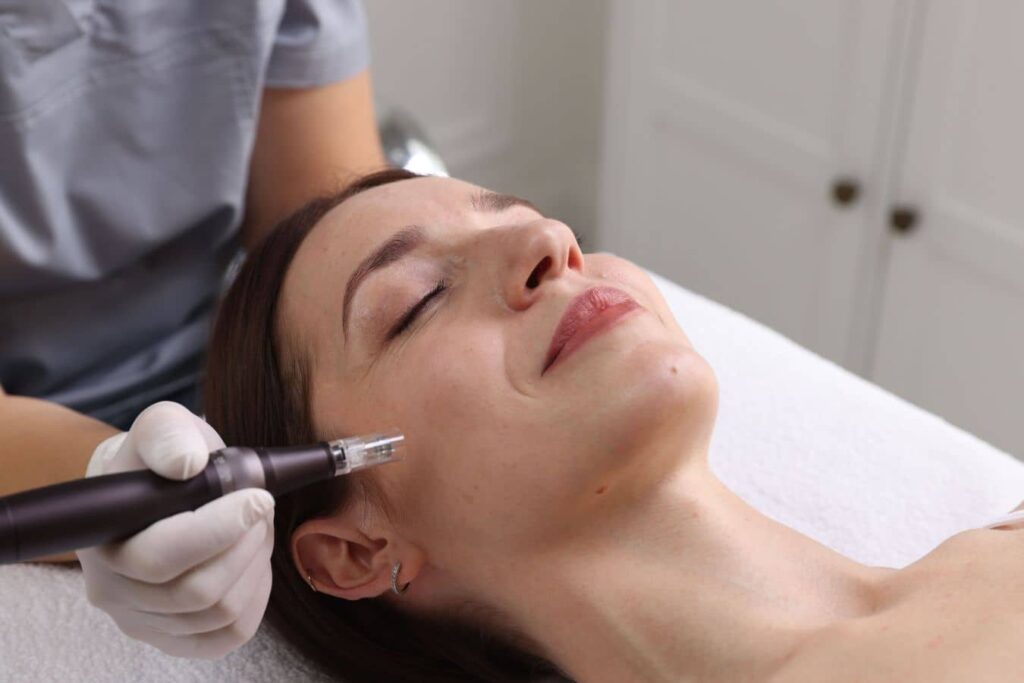
Depending on the patient’s needs, complementary treatments may include:
- Microneedling with topical PRP or PDGF to stimulate collagen and improve depressed scars
- Genius RF microneedling to remodel deeper scar tissue
- Chemical peels to remove damaged surface layers
- HydraFacial treatments to support skin health and maintenance
- Medical-grade skin care products to promote healing
Combination treatment plans are customized to address acne, post-inflammatory hyperpigmentation, and scar formation while supporting long-term skin improvement.
Which Laser Treatment Is Right for Your Skin Type and Scars?
Choosing the right laser treatment for acne scars depends on multiple factors, including scar type, skin tone, and history of hyperpigmentation. Patients with deeper scars may require more intensive treatment, while those with mild scarring may benefit from gentler laser therapy.
A professional evaluation allows the provider to assess the skin, review treatment options, and develop a personalized plan for safe and effective results.
How Many Treatments Are Needed for Acne Scar Results?
Laser resurfacing typically requires a series of treatments for optimal results. Improvement occurs gradually as the skin heals and new collagen develops.
The number of sessions depends on the severity of acne scars, the type of laser treatment used, and individual healing response. Many patients notice progressive improvement in skin texture and scar visibility over time.
Why Choose Laser & Cosmetic Surgery Specialists in Newburgh, NY?
At Laser & Cosmetic Surgery Specialists, treatment plans are customized to address each patient’s unique skin concerns. Dr. Ran Rubinstein is a double board-certified facial plastic surgeon specializing in advanced facial procedures and non-surgical skin treatments.
Working with an experienced clinical and aesthetic team, the practice provides personalized care focused on improving skin health, reducing scars, and achieving natural-looking results.
Patients from Newburgh and throughout Orange County, including Middletown, Goshen, Cornwall, New Windsor, Monroe, and Warwick, as well as nearby Dutchess and Ulster Counties, seek treatment at the practice for comprehensive facial rejuvenation and skin care solutions.
Schedule Your Acne Scar Consultation in Newburgh, NY
If you are considering laser resurfacing for acne scars, a consultation can help determine the most appropriate treatment options for your skin. An evaluation allows your provider to assess scar type, discuss expected results, and develop a personalized treatment plan.
Contact Laser & Cosmetic Surgery Specialists in Newburgh, NY to learn more about laser treatment for acne scars and customized skin rejuvenation solutions.
Common Questions About Laser Resurfacing for Acne Scars
Laser resurfacing improves the appearance of acne scars but typically does not remove them completely. The goal is smoother skin texture and reduced visibility of scars..
Results can be long lasting, but new breakouts, aging, and sun exposure may affect the skin over time. Ongoing skin care and maintenance treatments help preserve results.
Many laser treatments can be safely performed on different skin types when appropriate settings are used. A professional evaluation helps determine the safest approach and minimize the risk of hyperpigmentation.
Candidates for laser resurfacing generally have stable acne, realistic expectations, and a commitment to proper skin care and sun protection. A consultation helps determine whether treatment is appropriate.