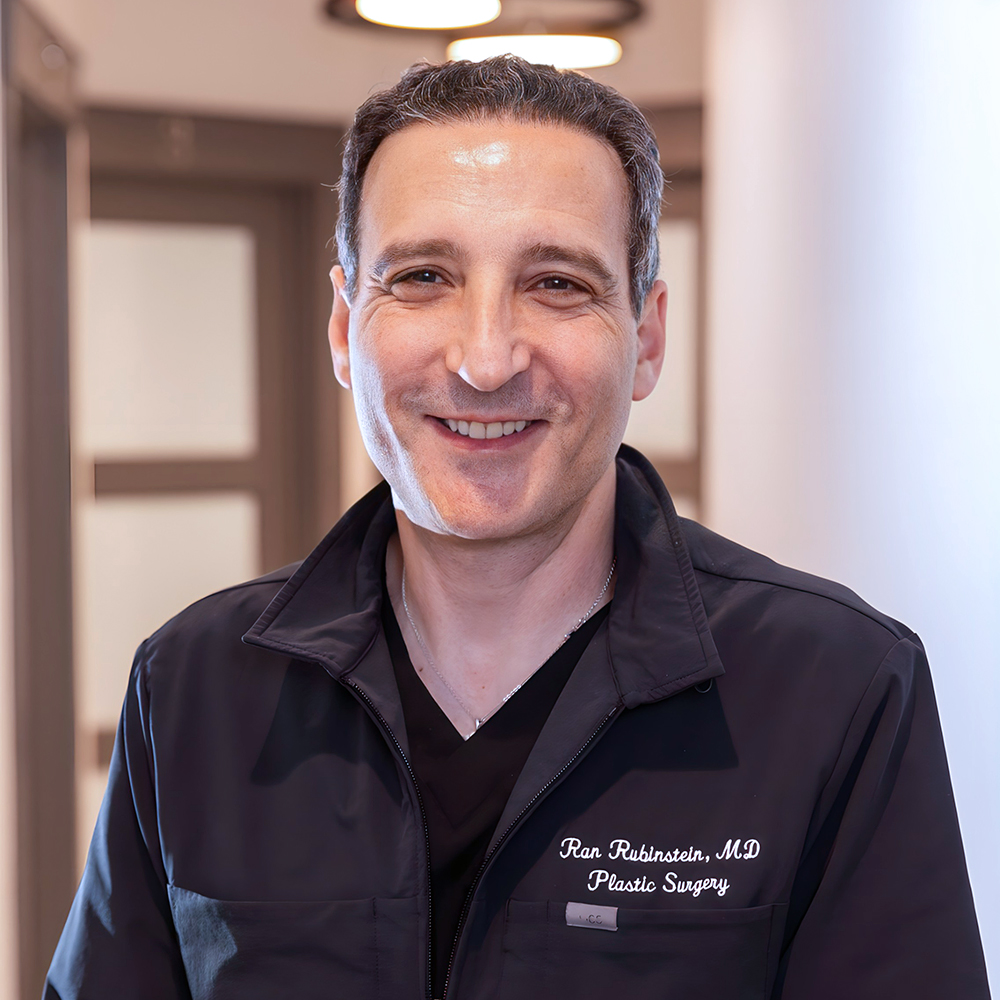
Meeting with a plastic surgeon for the first time can be both exciting and nerve-wracking. You may have spent years thinking about your goals—improving nasal balance, restoring youthful contours, or refreshing tired eyes—but might still wonder what happens next. Understanding how to prepare for your plastic surgery consultation helps you make the most of your time with Dr. Rubinstein, ask meaningful questions, and leave with a clear plan.
At Laser & Cosmetic Surgery Specialists in Newburgh, double board-certified facial plastic surgeon Dr. Ran Rubinstein approaches each consultation as the beginning of a partnership. His goal is to understand your priorities, evaluate your unique features, and design a personalized treatment plan that enhances your appearance while maintaining natural harmony. Thoughtful preparation before your appointment allows that conversation to be deeper and more productive—setting the stage for safe, satisfying results.
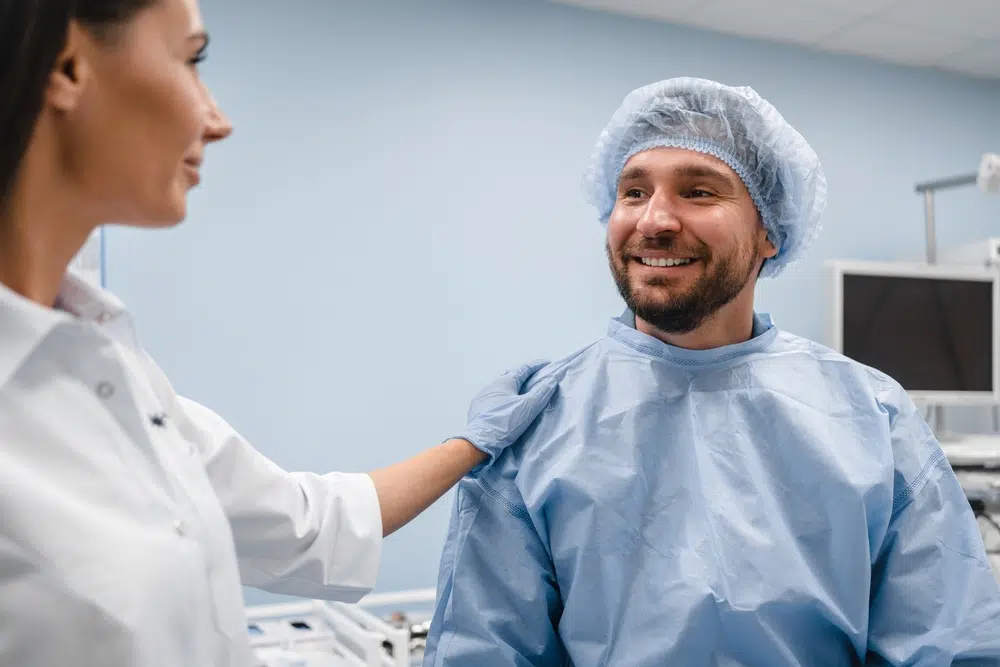
Before Your Consultation: Patient Preparation and Research
A little preparation before your first appointment goes a long way. Knowing your goals and understanding the basics of facial surgery gives you a foundation for discussion.
Clarifying Your Aesthetic Goals
Spend time thinking about what you hope to achieve. Do you want to refine your nasal bridge, lift sagging skin along the jawline, rejuvenate your eyes, or restore volume to the cheeks? Defining your priorities helps guide the conversation. It’s helpful to write down your top concerns so you don’t forget them during your visit.
Bringing photos of youth from 5 to 15 years ago can also help in customizing your natural treatment plan. Selecting other case examples or celebrities can also help in communicating your goals. Choose images that show proportions or features you find appealing—but keep expectations realistic. Your consultation will focus on how surgical artistry can enhance your facial structure, not replicate someone else’s.
Choosing a Qualified Facial Plastic Surgeon
Selecting a surgeon with the right background is one of the most important decisions you’ll make. Choosing a board-certified surgeon like Dr. Rubinstein ensures that your care is guided by advanced training, precision, and artistry.
Dr. Rubinstein completed advanced fellowship training in facial plastic and reconstructive surgery and maintains certifications through both the American Board of Facial Plastic and Reconstructive Surgery and the American Board of Otolaryngology–Head and Neck Surgery. His credentials ensure that every aspect of your care—from anesthesia planning to incision placement—is guided by medical precision and artistic balance.
Reviewing Before-and-After Results
Exploring before-and-after photos from Dr. Rubinstein’s Newburgh practice helps you visualize potential outcomes and evaluate his aesthetic style. Look for patients with features similar to yours, and note how naturally the results blend with their overall appearance. Consistency across many cases is a strong indicator of surgical expertise.
What to Bring to Your Appointment
Arriving prepared helps ensure your consultation covers everything needed for a thorough evaluation.

Medical History and Current Medications
Bring a complete list of your current medications, vitamins, and supplements, including doses and frequency. This information helps the surgical team assess how these may interact with anesthesia or affect healing.
Also prepare a summary of your medical history, including any allergies, chronic conditions, or previous surgeries. If you’ve had prior facial procedures, injuries, or treatments, note when and where they occurred so the surgeon can account for existing scar tissue or structural changes during your evaluation.
Reference Photos and Notes
Printed or digital reference photos can clarify your aesthetic preferences. Some patients create a small folder on their phone or tablet to show examples of balanced profiles, refreshed eyelids, or lifted jawlines. You can also bring notes about daily routines, skin care, or lifestyle habits that may affect healing.
Questions to Ask Your Surgeon
Preparing a few questions ahead of time ensures you cover the topics most important to you. For example:
- Which surgical or non-surgical options could help me reach my goals?
- What type of anesthesia is recommended for my procedure?
- How long is recovery from plastic surgery, and when can I return to work or exercise?
- What should I avoid during the week before surgery?
- What can I expect on the day of surgery?
Writing these down makes it easier to stay organized and confident during the conversation.
During the Consultation: What to Expect
A first consultation typically lasts about an hour and is designed to give you a comprehensive understanding of your options.
Health Review and Physical Examination
Dr. Rubinstein will begin by reviewing your health history and discussing your goals in detail. He’ll then examine your facial structure, skin quality, and underlying tissues to evaluate the best surgical approach. This may include assessing symmetry, elasticity, and bone support. Every step is done with patient safety in mind.
Imaging and Surgical Planning
Depending on your procedure, imaging or digital simulation tools may be used to illustrate likely outcomes. For instance, with rhinoplasty, you may view subtle adjustments to bridge height or tip projection. These visuals help ensure that your expectations and the surgical plan are aligned.
Together, you and Dr. Rubinstein will discuss procedural details, anesthesia options, incision placement, and anticipated results. You’ll also review surgery instructions covering preparation, medications to avoid, and what to arrange at home before the procedure.
Start Your Journey to Success, Don’t Wait More!
Join our satisfied clients who’ve experienced safe, effective treatments.
Setting Realistic Expectations
Understanding what surgery can and cannot accomplish is vital to long-term satisfaction. Plastic surgery enhances features; it does not create an entirely different face. During your consultation, Dr. Rubinstein will explain what’s achievable based on your anatomy and healing potential.
Some procedures—like eyelid surgery, facelift, or facial fat transfer—can deliver dramatic yet natural improvement, softening lines or restoring youthful volume. Others, like injectables or skin resurfacing, may complement surgical results or offer maintenance over time. A realistic mindset helps ensure your goals match the outcome.
After the Consultation: Reviewing Instructions and Next Steps
Reviewing Your Plan
Take time to review notes and materials from your appointment. If questions arise later, contact the office—Dr. Rubinstein’s team encourages follow-up communication to ensure every patient feels informed and confident.
Scheduling and Recovery Planning
When selecting a surgery date, consider your personal calendar and allow ample recovery time. Some patients prefer quieter winter months, while others plan procedures ahead of major events. Think about when you can comfortably take time off and avoid strenuous activity.
Prepare your home by arranging a clean, restful recovery area with extra pillows, soft foods, and medications within reach. Small details like this make your healing experience smoother.
Preparing for Surgery: Timing and Logistics
Once you decide to move forward, proper preparation is key.
Two Weeks Before Surgery
In the two weeks before surgery, follow all preoperative instructions carefully. You may be asked to stop certain medications or supplements that increase bleeding risk, avoid alcohol, and arrange reliable transportation for the day of surgery. Smoking should be discontinued well in advance, as it interferes with healing.
If general anesthesia or sedation will be used, fasting instructions will be provided. Adhering to these guidelines ensures your safety and helps avoid delays.
The Day of Surgery
You will be given special bathing instructions for the night before and morning of surgery. On the day of surgery, arrive on time and in comfortable clothing. Avoid wearing jewelry, perfume, or makeup, as these can interfere with sterilization and monitoring. Patients should come with a responsible adult who can drive them home and stay for the first 24 hours if sedation is involved.
Dr. Rubinstein performs procedures in a Joint Commission certified surgical suite designed for privacy and safety. The facility is equipped with advanced monitoring technology and staffed by highly trained medical professionals who specialize in anesthesia and postoperative care, ensuring every patient receives attentive support throughout their surgical experience.
FAQs
Most first-time consultations last between 45 minutes and one hour, depending on the complexity of your goals.
Yes. Medical history, medications, and prior procedure details help Dr. Rubinstein design a safe, effective plan.
Absolutely. Having someone you trust at the consultation provides support and helps you remember details.
A detailed estimate is usually provided after your evaluation. Costs vary based on procedure type, anesthesia, and facility fees.
Scheduling depends on your readiness and availability within the surgical calendar. Dr. Rubinstein is typically scheduled 3 to 6 months out. Most patients plan several weeks in advance to complete clearances and arrange support.
The Value of Expert Care
Your consultation is more than an appointment—it’s the foundation of your surgical journey. Arriving prepared, with clear goals and thoughtful questions, ensures that your time with Dr. Rubinstein is focused, educational, and personalized.
At Laser & Cosmetic Surgery Specialists in Newburgh, every patient receives the benefit of advanced training, meticulous technique, and compassionate care. Whether you’re exploring deep plane facelift surgery, eyelid rejuvenation, or subtle enhancements through fat transfer, expert guidance helps you achieve results that look natural and feel authentically you.
To schedule your private consultation, contact the practice today and take the first step toward renewed confidence and balance.