Does microneedling help with melasma? It can, but the answer is more nuanced than a simple yes or no. Microneedling may help improve the appearance of melasma and certain types of hyperpigmentation, particularly when used as part of a carefully designed treatment plan. It is not a permanent cure, and results are gradual. Because melasma is a chronic, relapsing skin condition, long-term management and strict sun protection are essential.
At Laser & Cosmetic Surgery Specialists in Newburgh, NY, microneedling is performed as a professional cosmetic procedure designed to improve skin texture, support collagen production, and enhance overall skin quality. Whether microneedling for melasma is appropriate depends on your skin type, pigment pattern, and history of post-inflammatory hyperpigmentation.

What to Know About Microneedling for Melasma and Hyperpigmentation
- Melasma is a common skin condition that causes brown patches and dark patches on the face.
- Microneedling may help with melasma when used alongside topical treatments and strict photoprotection.
- Results are gradual and require multiple sessions.
- Not all cases of melasma respond the same way.
- A comprehensive professional evaluation is essential before treatment.
Understanding Hyperpigmentation vs. Melasma as a Skin Condition
Hyperpigmentation is a broad term describing areas of skin that become darker due to excess melanin production. It can occur after acne, sun exposure, inflammation, or injury. These dark spots often appear on the cheeks, forehead, or nose and may fade gradually over time.
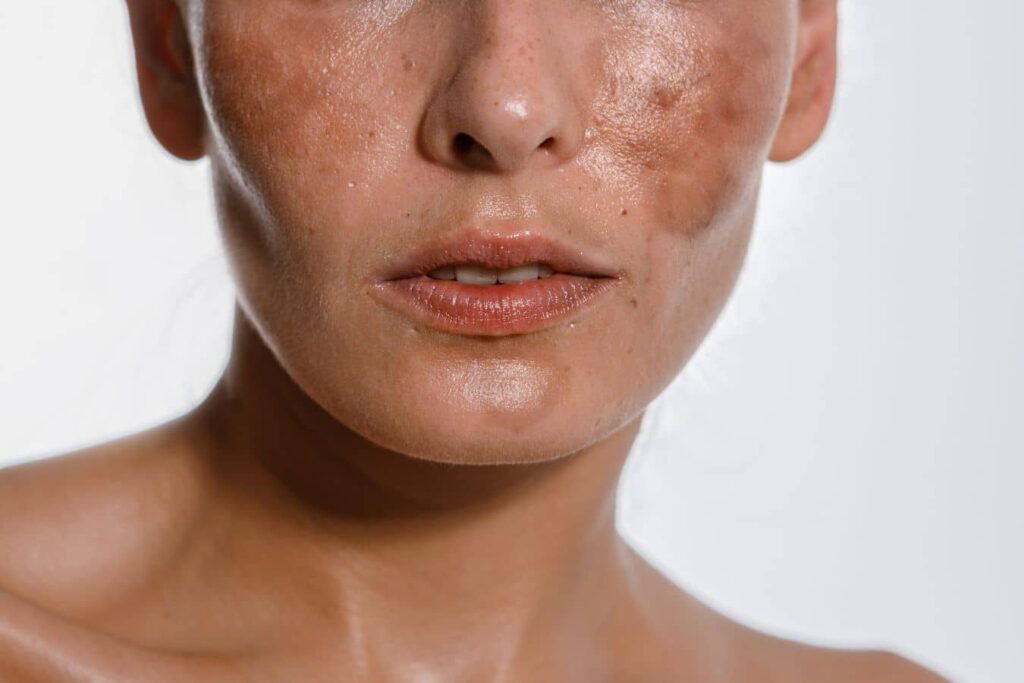
Melasma is a specific and more complex skin condition. It is driven by overactive melanocytes, often triggered by hormonal changes, UV exposure, and inflammation. Melasma typically appears as symmetrical brown patches across the cheeks, forehead, and upper lip. Unlike simple post-inflammatory hyperpigmentation, melasma tends to be chronic and relapsing.
Because melasma involves both surface and deeper skin changes, treatment often requires a multi-layered approach.
How the Microneedling Procedure Works for Skin Regeneration
Microneedling is a minimally invasive cosmetic procedure that uses fine needles or tiny needles to create controlled micro-injuries in the skin. Professional microneedling devices use sterile needles at precise depths to stimulate the skin’s natural healing process.
These micro channels activate collagen production and promote skin regeneration. Over time, increased collagen can improve skin texture, refine pores, and enhance firmness. Collagen remodeling may also help disperse clustered pigment and support a more even tone.
In addition, the micro channels created during microneedling improve penetration of topical treatments. Ingredients such as vitamin C or tranexamic acid may reach deeper layers more effectively when applied in conjunction with the procedure.
Microneedling for Melasma: Does It Help Treat Melasma?
When patients ask whether microneedling is good for melasma, it is important to clarify expectations. Microneedling alone is usually not sufficient to treat melasma completely. However, evidence suggests it may help with melasma when used as part of a combination therapy strategy.
Research has shown that microneedling may improve the appearance of melasma by enhancing topical absorption and stimulating dermal repair. Histologic studies demonstrate reduced melanin density and thicker epidermis in some cases of melasma after treatment. Improvements in melasma severity are typically gradual and observed over several weeks to months.
Microneedling may help with melasma by supporting collagen production and stabilizing pigment activity, but maintenance therapy and strict sun protection remain critical. Because melasma is highly sensitive to UV exposure, recurrence is common without consistent skin care and photoprotection.
Benefits of Microneedling for Pigment and Skin Texture
The benefits of microneedling extend beyond pigment concerns. Patients may experience:
- Improvement in skin texture
- Firmer skin texture through collagen production
- Reduction in the appearance of hyperpigmentation
- Softening of acne scars and other scars
- Overall skin rejuvenation
Microneedling can support the reduction of melasma in selected patients, particularly when paired with topical treatments and customized skin care products. It is considered a less aggressive option compared with certain lasers or deep chemical peels, though careful technique is still essential.
Is Microneedling Safe for Melasma and Pigment-Prone Skin?
Microneedling can be safe for pigment-prone skin when performed conservatively and by experienced professionals. However, any procedure that creates controlled injury carries some risk of post-inflammatory hyperpigmentation.
Patients with a history of melasma or darker skin types require especially cautious settings. Excessively deep needles, overly frequent sessions, or improper aftercare can worsen pigmentation. A comprehensive evaluation helps determine whether microneedling is appropriate and what depth and treatment schedule are safest.
Because melasma is complex, treatment should always be individualized rather than standardized.
Start Your Journey to Success, Don’t Wait More!
Join our satisfied clients who’ve experienced safe, effective treatments.
Radiofrequency Microneedling Therapy for Hyperpigmentation and Melasma
Radiofrequency microneedling combines traditional microneedling with thermal energy delivered into the deeper dermis. The needles create micro-injuries while radiofrequency energy stimulates collagen remodeling below the surface.
Radiofrequency microneedling therapy may be considered in select cases of melasma or refractory hyperpigmentation, particularly when dermal changes are involved. By targeting deeper layers while relatively sparing the epidermis, it may support longer-term remodeling.
However, RF microneedling also introduces heat, which increases inflammation risk. For pigment-reactive skin, conservative energy settings and strict post-treatment care are critical. It is generally viewed as part of a broader therapy plan rather than a stand-alone treatment for melasma.
When Microneedling May Be Most Effective
Microneedling may be most effective in cases where:
- Hyperpigmentation is related to acne or inflammation
- Melasma is stable and being managed with topical treatments
- Patients are committed to consistent sun protection
- Combination therapy is used
Combination approaches may include topical treatments such as tranexamic acid, prescription creams, or carefully selected skin care regimens. Microneedling enhances penetration of these agents and may improve overall results compared with topical therapy alone.
Why Professional Microneedling and Personalized Treatment Plans Matter
Because melasma and hyperpigmentation behave differently across skin types, professional microneedling is essential. At Laser & Cosmetic Surgery Specialists in Newburgh, microneedling is performed in-office by trained providers on our team, with your plan guided by a comprehensive evaluation.
Dr. Ran Rubinstein, a double board-certified facial plastic surgeon, works with the practice’s experienced clinical team to develop personalized treatment plans. A personalized evaluation allows the team to determine whether microneedling, radiofrequency microneedling, or alternative options such as chemical peels may be more appropriate.
Patients from Newburgh and throughout Orange County, including Middletown, Goshen, Cornwall, New Windsor, Monroe, and Warwick, as well as nearby Dutchess and Ulster Counties, benefit from tailored cosmetic dermatology approaches designed to protect skin health while addressing pigment concerns.
What Results Can You Expect From Microneedling for Melasma?
Results from microneedling are gradual. Most patients require multiple sessions spaced several weeks apart before noticeable improvement in melasma severity or the appearance of hyperpigmentation.
Improvements typically include smoother skin texture, refined tone, and a more even complexion. While microneedling may contribute to the reduction of melasma, it does not permanently eliminate the condition. Ongoing skin care, maintenance therapy, and sun protection are essential to preserve results.
Schedule a Personalized Pigmentation Consultation in Newburgh, NY
If you are considering microneedling for melasma or hyperpigmentation, the first step is a comprehensive consultation. An in-person evaluation allows your provider to assess your skin type, identify contributing factors, and determine whether microneedling is an effective treatment option for your specific concerns.
To learn more about professional microneedling and customized pigment therapy in Newburgh, NY, contact Laser & Cosmetic Surgery Specialists to schedule your consultation.
Common Questions About Microneedling for Melasma
Yes. Microneedling is often combined with topical treatments, prescription creams, and carefully selected skin care products to enhance penetration and improve outcomes. Combination therapy may produce better results than a single treatment approach.
Microneedling can be safe for darker skin types when performed conservatively. Careful depth selection, proper spacing between sessions, and strict photoprotection are essential to reduce the risk of post-inflammatory hyperpigmentation.
No. Melasma is a chronic skin condition influenced by hormones and UV exposure. Microneedling may help improve the appearance of melasma, but maintenance therapy and ongoing sun protection are necessary to manage recurrence.