If you’ve been curious about chemical peels but aren’t sure where to start, you’re not alone. With options ranging from gentle surface treatments to more intensive resurfacing solutions, figuring out which type of peel suits your skin can feel overwhelming. Understanding the different types of chemical peels — and what each one is designed to do — makes that decision a lot easier.
At Laser & Cosmetic Surgery Specialists in Newburgh, NY, Dr. Ran Rubinstein and his team offer a range of professional chemical peel options to help patients throughout the Hudson Valley achieve clearer, smoother, more radiant skin.
Not All Chemical Peels Are Created Equal
- Chemical peels use acid solutions to remove damaged outer skin layers and stimulate renewal beneath the surface.
- There are different types of chemical peels suited to different concerns, from mild dullness to acne, sun damage, and deeper textural issues.
- Your skin type — whether oily, dry, sensitive, or combination skin — plays a significant role in determining which peel is right for you.
- Professional chemical peels offer more consistent, controlled results than at-home options.
- A consultation with an experienced provider is the most reliable way to identify the right chemical peel for your goals.
What Is a Chemical Peel and What Are the Benefits?
A chemical peel applies a carefully selected acid solution to the skin, prompting controlled exfoliation of the outer layers. As the damaged skin sheds, healthier skin is revealed beneath. Depending on depth, this process can address everything from uneven tone and rough texture to acne, sun damage, and early signs of aging.
The benefits of chemical peels are broad — improved skin texture, reduced acne and acne scars, diminished hyperpigmentation, and a more refreshed complexion overall. When performed by a trained provider, they are safe for most skin types and produce results that continue to develop over several weeks.
The Different Types of Chemical Peels
Chemical peels are categorized two ways: by depth of penetration and by the agent used. Both factors shape how a peel interacts with the skin and which concerns it best addresses.
Superficial Chemical Peels
Superficial chemical peels — also called light peels — work on the epidermis, the outermost skin layer. They are the gentlest option, well-suited for sensitive skin, mild dullness, and early texture irregularities. Alpha hydroxy acids (AHAs) like glycolic and lactic acid are the most common agents. A lactic peel is especially appreciated for its gentle exfoliation and hydrating properties, making it a strong choice for dry skin. Downtime is minimal — typically one to three days of mild flaking.
Medium Chemical Peels
Medium chemical peels reach into the dermis, the middle layer of the skin, making them effective for moderate sun damage, acne scarring, pigmentation concerns, and fine lines that superficial treatments can’t fully resolve. Trichloroacetic acid is the most common agent in medium chemical peels, often blended with other ingredients for a more targeted or tolerable application. Recovery typically involves two to five days of peeling. The VI Peel line offered at Laser & Cosmetic Surgery Specialists falls into this medium-depth category as well the TCA Spot peel for specific pigmentation concerns such as solar lentigos, commonly known as sunspots.
Deep Chemical Peels
Deep chemical peels penetrate the lower dermis and are reserved for significant concerns — deep wrinkles, extensive sun-damaged skin, or pronounced scarring. TCA is the agent most associated with deep peels. Results are dramatic, but recovery is more involved, and these treatments are typically performed only once given their lasting effect. A thorough consultation is essential before considering this level of treatment.
Peel Agents: Glycolic, Salicylic, TCA Peel, and More
Beyond depth, the specific agent matters. Glycolic acid (an AHA derived from sugarcane) exfoliates efficiently, improves skin texture and fine lines, and can benefit uneven and combination skin. Salicylic acid (a BHA) is oil-soluble, penetrating pores to address congestion — it’s the go-to for acne-prone skin. Trichloroacetic acid (TCA) is highly versatile, available in blended forms for gentler application, and effective for sun damage, acne scars, and pigmentation. Retinoic acid, a vitamin A derivative, is incorporated into some formulas to boost cellular turnover and collagen stimulation.
Chemical Peels Patient Results
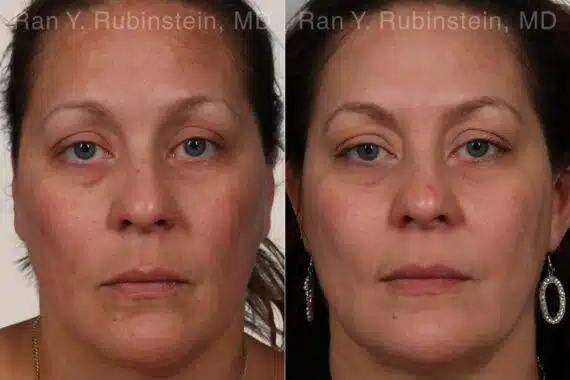
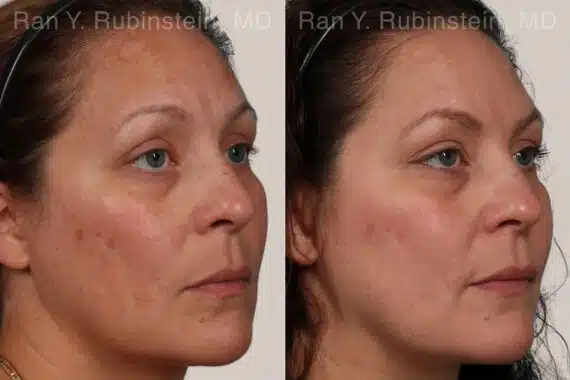
* All patients are unique and individual results may vary.
How to Choose the Right Peel for Your Skin
Start With Your Skin Concern
Narrowing down your options starts with identifying your primary concern. Acne and congestion point toward salicylic-based or purifying formulas. Sun damage, melasma, or hyperpigmentation respond better to TCA-based or brightening treatments. Anti-aging goals — fine lines, texture, and radiance — are best served by a medium-depth peel with collagen-stimulating ingredients.
Consider Your Skin Type
Dry skin benefits from gentler, hydrating formulations like a lactic peel. Combination skin often tolerates glycolic peels well. Acne-prone skin responds best to salicylic-based options. Sensitive skin does better with mild superficial peels, and darker skin tones require careful agent selection to reduce the risk of post-inflammatory hyperpigmentation. Patients with rosacea should always be evaluated by a professional before pursuing any chemical exfoliation.
Think About Downtime
Light peels fit easily into a busy schedule. Medium and deep chemical peels require planning for a recovery period. Many patients start with superficial peels and progress to deeper treatments over time as their skin adapts and their goals evolve.
Avoid Guessing
With so many variables — skin type, concern, agent, and depth — choosing without professional input often leads to the wrong type of peel or unnecessary irritation. A consultation removes the guesswork.
Why Professional Chemical Peels Are Different
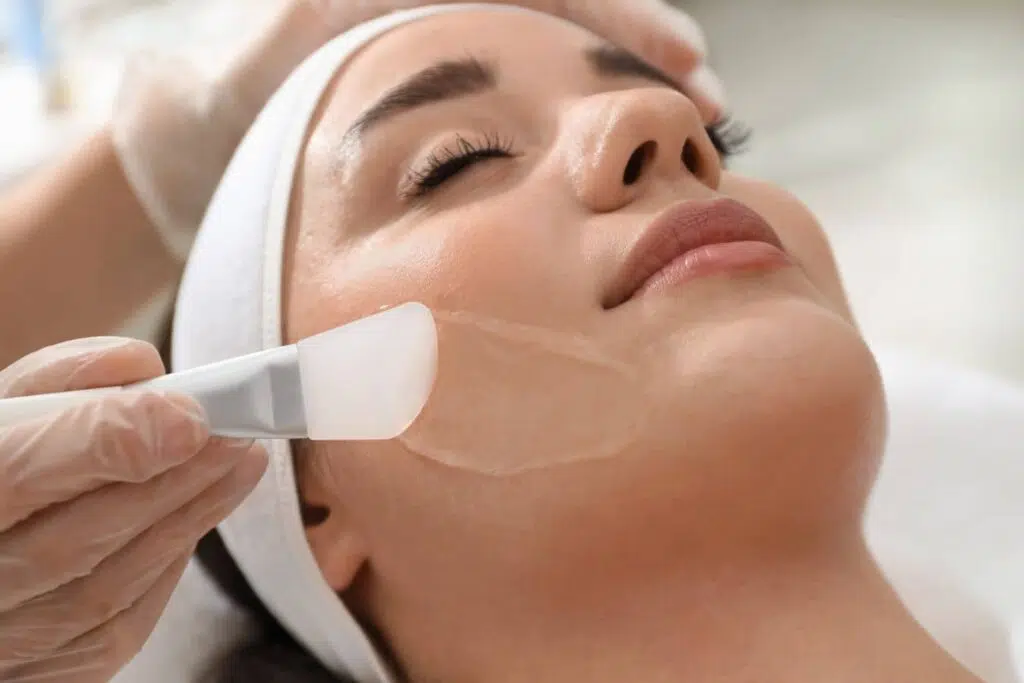
At-home peel products operate at significantly lower concentrations than professional-grade formulas. Professional chemical peels allow for deeper, more consistent penetration — producing more reliable results for damaged skin, hyperpigmentation, and acne scars that over-the-counter options can’t adequately address. A trained provider also monitors the skin’s response during treatment and provides proper aftercare guidance, both of which significantly influence results.
Start Your Journey to Success, Don’t Wait More!
Join our satisfied clients who’ve experienced safe, effective treatments.
Chemical Peels at Our Medical Spa in Newburgh, NY
At Laser & Cosmetic Surgery Specialists, the peel menu centers on the VI Peel line — five physician-developed, medium-depth formulations built on a base blend of TCA, phenol, salicylic acid, retinoic acid, vitamin C, and minerals. Each variant is customized with targeted boosters, and all are safe for all skin types and tones.
- VI Peel Original improves tone, clarity, and rough texture with anti-aging benefits. Ideal for first-time peel patients, sensitive skin, and early signs of aging in patients in their 20s.
- VI Peel Advanced delivers deeper penetration via higher TCA and retinoic acid concentrations for enhanced collagen stimulation. Best for patients 40+ dealing with fine lines, wrinkles, and loss of elasticity.
- VI Peel Precision with Peptides features a dual booster system targeting melasma, UV-induced pigmentation, and post-inflammatory hyperpigmentation. Named “Best Chemical Peel” by Cosmopolitan magazine.
- VI Peel Purify addresses active acne, oily and congested skin, and teen acne with added benzoyl peroxide, kojic acid, and hydrocortisone to clear pores, reduce inflammation, and control bacteria.
- VI Peel Purify with Precision combines acne-clearing with pigmentation correction for patients managing adult acne alongside post-inflammatory hyperpigmentation or acne scarring.
A Second peel offered at Laser and Cosmetic Surgery Specialists is the BioRe Peel. An innovative chemical peel that utilizes a 35% TCA formulation along with salicylic, tartaric, lactobionic and gamma-aminobutyric acid. BioRePeel is one of the more versatile peels on our Newburgh menu and has zero to minimal shedding and downtime. Patients commonly use it to address:
- Active acne and post-acne marks on the face, neck, or décolleté.
- Melasma, sun damage, and other forms of hyperpigmentation.
- Fine lines, dull skin, and early signs of aging.
- Rough texture and visible pores.
- Skin that feels tired or congested and needs a reset.
Common Mistakes to Avoid When Choosing a Peel
- Choosing depth over suitability. Stronger isn’t always better — sensitive or damaged skin often benefits more from a consistent, gentler approach.
- Skipping the consultation. Self-diagnosing your skin type or concern can lead to the wrong selection, especially when rosacea, hyperpigmentation, or significant scarring is involved.
- Neglecting aftercare. Sun exposure and skipping SPF post-treatment can undermine results and increase the risk of adverse reactions.
- Being inconsistent. A series of properly spaced treatments — supported by a skin care regimen — delivers far more sustained results than a single session.
Take the Next Step Toward Healthier Skin
Whether you’re managing acne-prone skin, sun-damaged skin, or simply want a brighter, more even complexion, there’s a right chemical peel for your goals. Dr. Rubinstein and the team at Laser & Cosmetic Surgery Specialists serve patients throughout the Hudson Valley — including Newburgh, Middletown, Poughkeepsie, Beacon, and Cornwall. Contact the office to schedule a consultation and find out which peel is the best fit for your skin.
FAQs About Choosing a Chemical Peel
Yes. The BioRe Peel and all VI Peel formulations offered at Laser & Cosmetic Surgery Specialists are safe for all skin types and tones, including darker complexions. Agent selection still matters — some acids carry a higher risk of post-inflammatory hyperpigmentation in melanin-rich skin if not applied appropriately. Your provider will evaluate your skin tone and recommend the formula that balances effectiveness with safety.
Medium-depth peels like the VI Peel typically show visible improvement within seven days, with results continuing to develop over the following weeks. Most patients complete an initial series of three monthly treatments, followed by maintenance. The BioRe Peel typically shows visible refreshed skin immediately post peel, however when treating specific concerns a series of 4-6 treatments spaced every 7-10 days is recommended.
Yes — and a combined approach often produces the best outcomes. The HydraFacial pairs particularly well with both the VI Peel and BioRe Peel protocols, adding hydration, extraction, and complementary exfoliation. Your provider can help design a plan that layers compatible treatments for more comprehensive skin improvement.