Many people explore aesthetic treatments seeking refreshed, youthful facial contours — but sometimes, well-meaning filler injections or rushed volume “boosts” lead to an undesirable result often referred to as “overfilled face syndrome” (also called “overfilled face” or “pillow face”). In New York and New Jersey, patients who come to Laser & Cosmetic Surgery Specialists want to restore natural beauty, not end up with an exaggerated, artificial look. Understanding what overfilled face syndrome is, why it happens, and how to prevent it is essential to ensure any facial rejuvenation stays balanced, attractive, and age-appropriate.
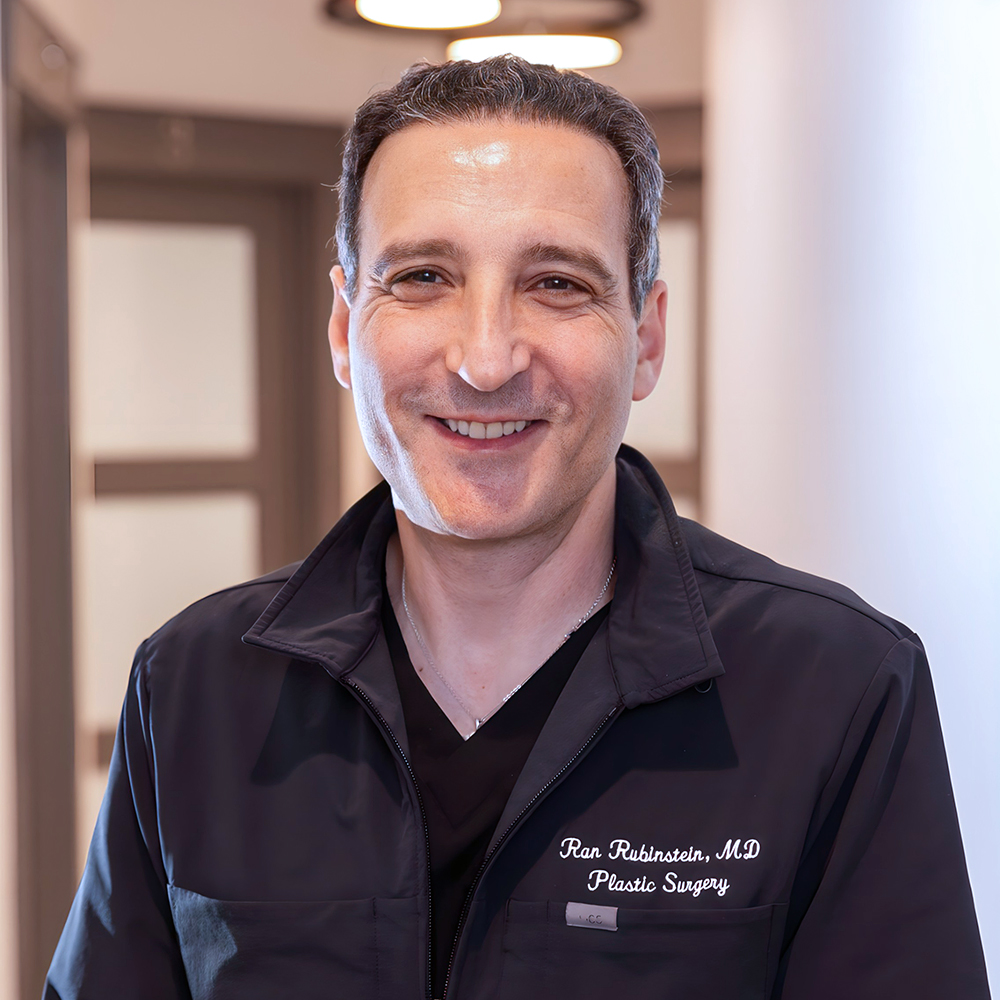
Dr. Ran Rubinstein, a dual board-certified facial plastic surgeon, emphasizes a conservative, anatomy-based approach to facial fillers and soft tissue enhancement. His priority is to preserve facial proportions, respect natural facial topography, and help patients achieve enhancement without distortion. Understanding how overfilling happens — and how to prevent it — helps patients make choices that support natural, balanced results.
What is Overfilled Face Syndrome?
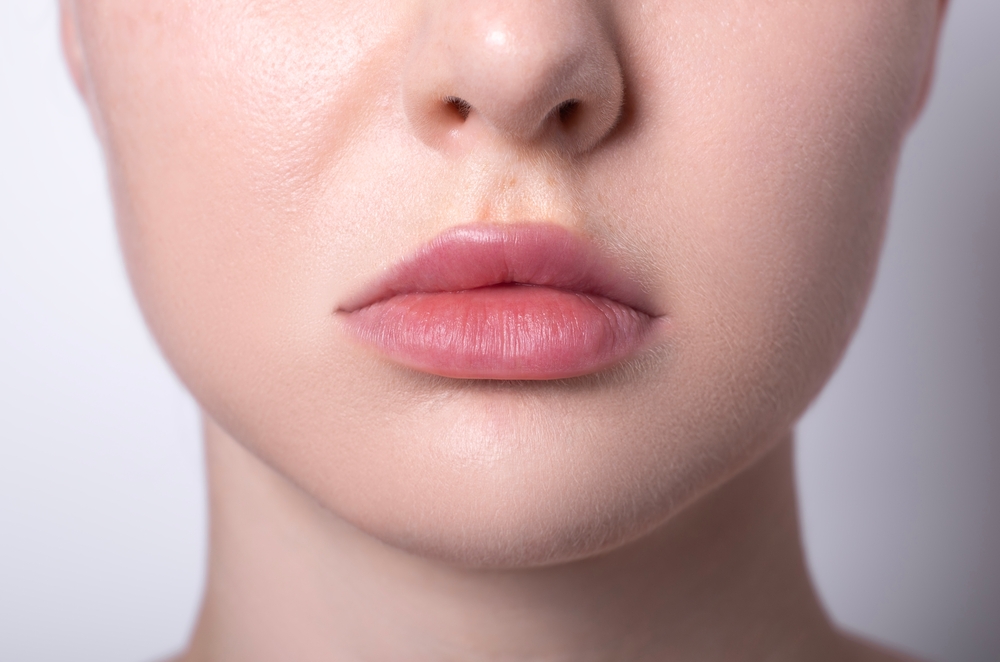
Overfilled face syndrome refers to a facial appearance marked by excessive volume from dermal filler injections that overwhelms a person’s natural facial structures. Rather than subtle enhancement, the face may appear severely puffy, overly rounded, or distorted. Soft tissue fillers — especially when overused or placed superficially — can accumulate unevenly across the midface, cheeks, lips, and under-eye area, creating a look that draws attention to the filler instead of enhancing underlying features.
Overfilling happens when injections exceed what the facial tissues can support. Key contributors include excessive filler use, superficial placement, disregarding facial proportions, and treating isolated areas without evaluating overall facial balance.
Common Signs of an Overfilled Face
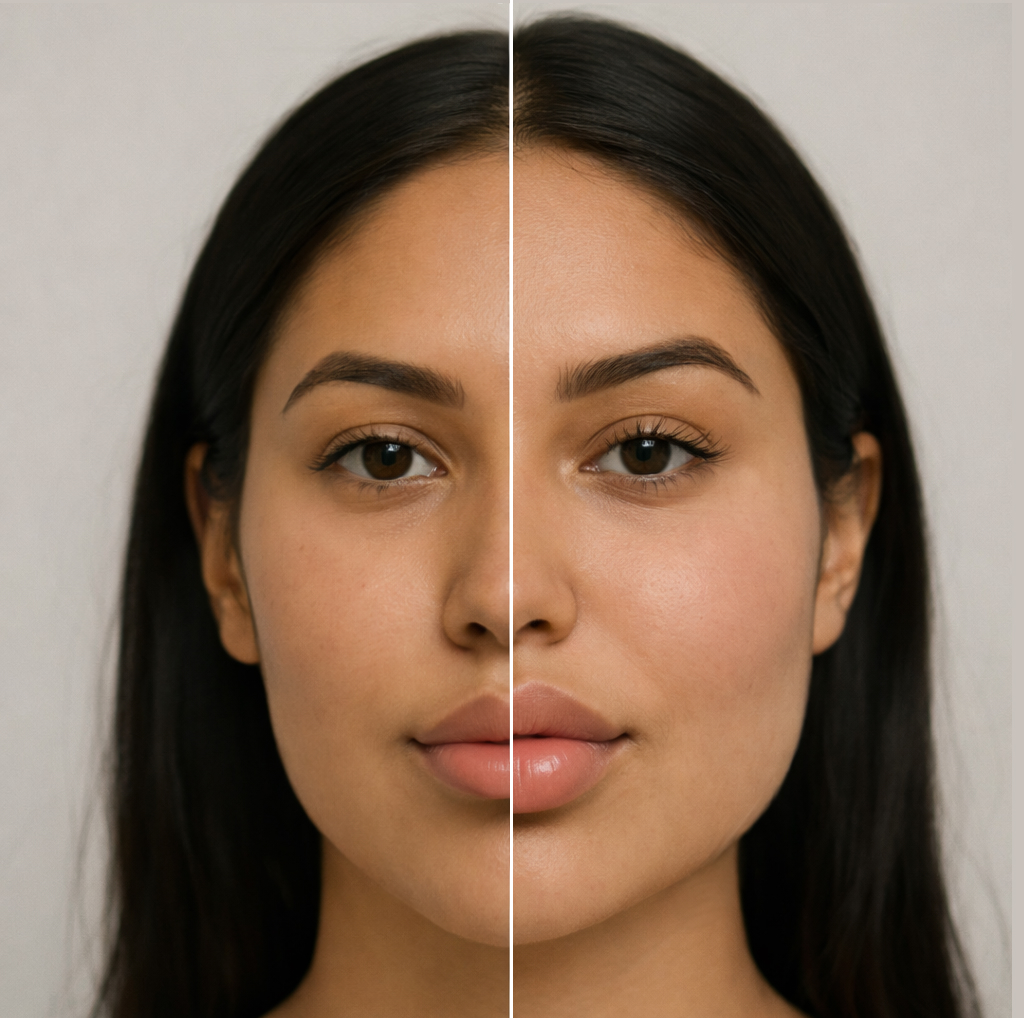
Patients may notice:
- Puffy or swollen cheeks
- Overly rounded midface or “pillow face” appearance
- Distorted or enlarged lips
- Blurring of facial contours
- Bulging under the eyes
- Facial asymmetry or imbalance
- Loss of natural shadows and transitions
These features often produce an unnatural or exaggerated look instead of subtle facial rejuvenation.
Why Overfilled Results Happen
Excessive Filler Volume
This is one of the most common causes. Large amounts of filler placed in one session can overwhelm facial proportions and distort natural contours.
Improper Placement or Technique
When fillers are placed too superficially or in the wrong plane, they create puffiness, lumps, shadows, or irregular swelling.
Ignoring Underlying Anatomy
Good results require understanding:
- Facial fat compartments
- Facial septum support
- Bone structure changes
- Midfacial fat compartment shifts over time
Injecting without considering these deeper structures increases the risk of unnatural results.
Lack of Long-Term Planning
Without a cohesive strategy, filler injections accumulate over time, creating excessive fullness rather than maintaining subtle enhancement.
Start Your Journey to Success, Don’t Wait More!
Join our satisfied clients who’ve experienced safe, effective treatments.
How to Prevent Overfilled Face From the Start
Choose a Qualified Facial Specialist
Working with a board-certified facial plastic surgeon is the strongest form of prevention. A specialist like Dr. Rubinstein understands:
- Facial proportions
- Aging patterns
- Natural facial contours
- Safe filler limits
- Appropriate injection techniques
This ensures results remain natural and age-appropriate.
Start Conservatively
A gradual, step-by-step approach keeps enhancement subtle. Small volume adjustments allow for:
- Better control
- More accurate shaping
- Fewer risks of excessive filling
- A natural appearance that evolves over time
Focus on Overall Facial Balance
Instead of treating each concern in isolation, your provider should evaluate:
- How one area affects another
- Whether cheek filler impacts the jawline
- How lip volume relates to the nose and chin
- Whether midface volume will look proportionate
This global view of facial rejuvenation aligns with Dr. Rubinstein’s philosophy.
Select Filler Types Carefully
Different fillers serve different purposes. A skilled injector chooses fillers based on:
- Depth of placement
- Softness or firmness needed
- Mobility of the facial area
- Long-term aging considerations
Hyaluronic acid fillers behave differently than firmer structural fillers, and placement should always reflect this.
Plan for Long-Term Facial Aging
A healthy treatment plan accounts for:
- How the face will age with fillers in place
- When injections should be spaced out
- When fillers are no longer the best option
- When structural procedures may be more effective
A thoughtful timeline prevents cumulative overfilling.
Dermal Fillers Patient Results
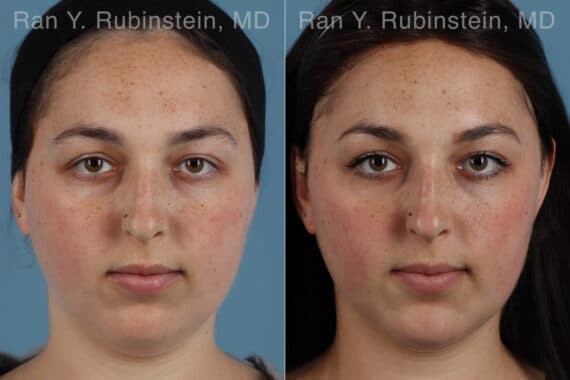
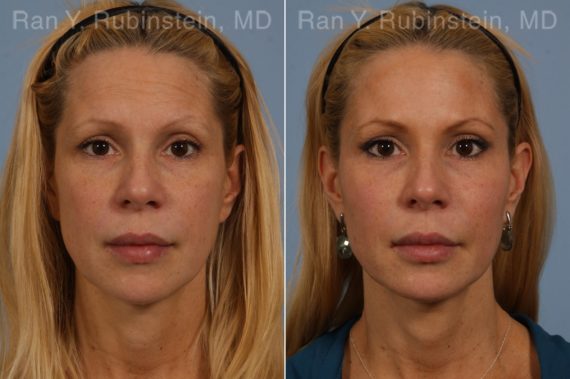
* All patients are unique and individual results may vary.
When Fillers Aren’t the Best Solution
Dermal fillers are excellent for restoring subtle volume, but some patients benefit more from alternative approaches. Relying on fillers alone for every aging concern increases the risk of distorted facial contours.
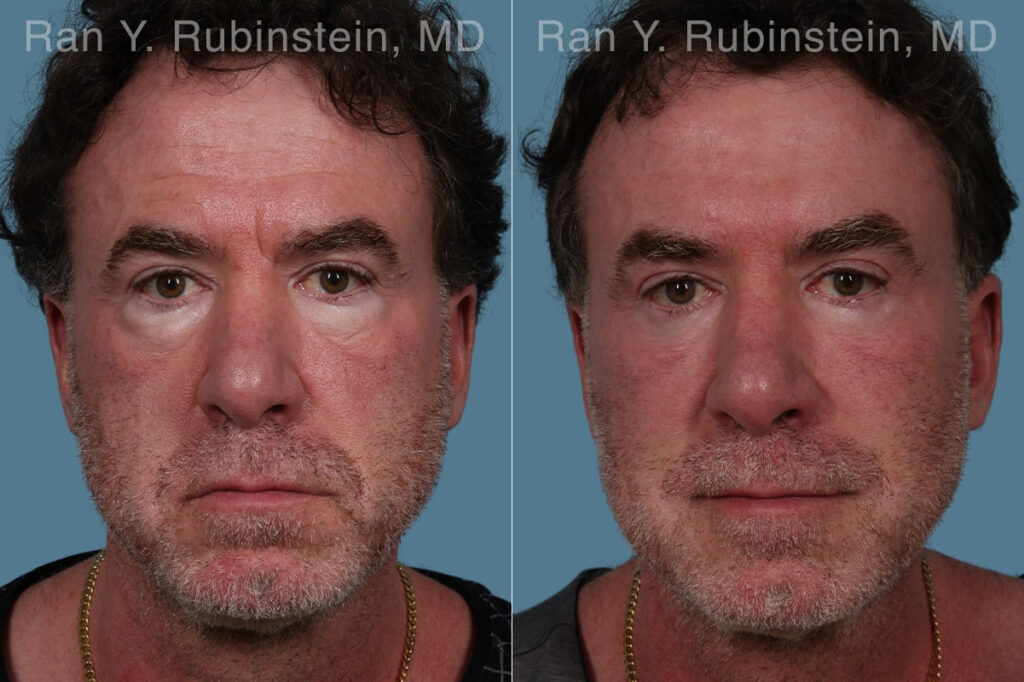
Fat Transfer
Fat transfer may be more appropriate when:
- You need broader facial volume
- You want softer, more natural integration
- You prefer long-lasting results
- You want to avoid repeated filler injections
Because your own tissue is used, fat transfer often ages more gracefully than large amounts of filler.
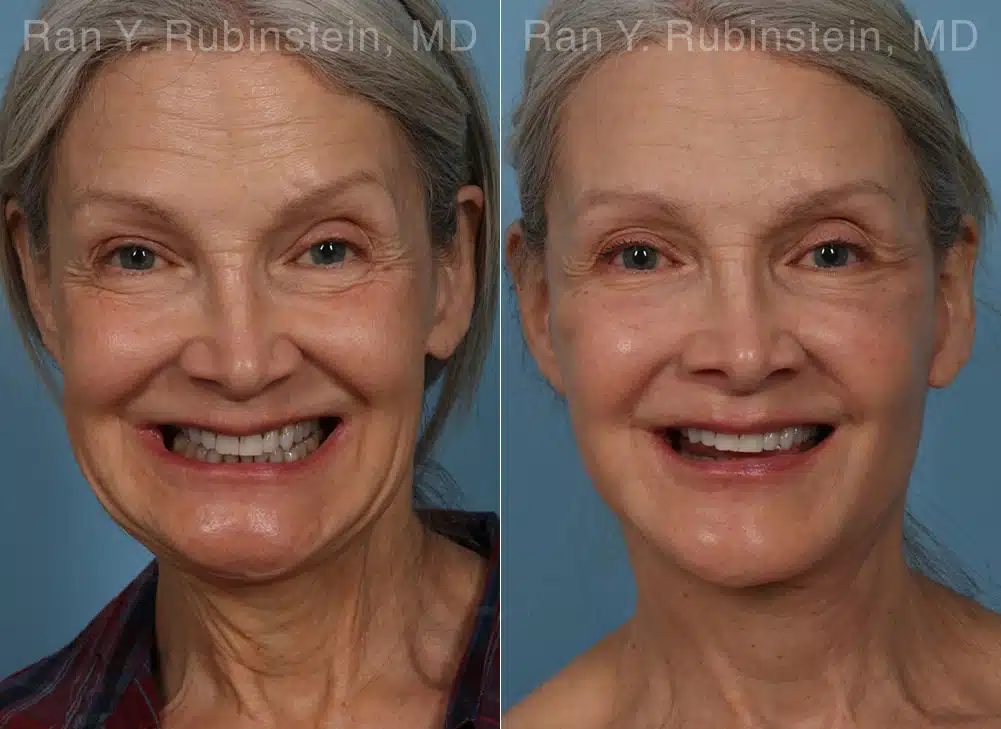
Structural Rejuvenation
When skin laxity or facial descent contributes to aging, fillers cannot reposition deeper tissues. A structural procedure may be a better option. Examples include:
- Deep plane facelift
- Facelift
- Neck lift
These surgical options restore facial support from the inside, helping maintain facial proportions more naturally.
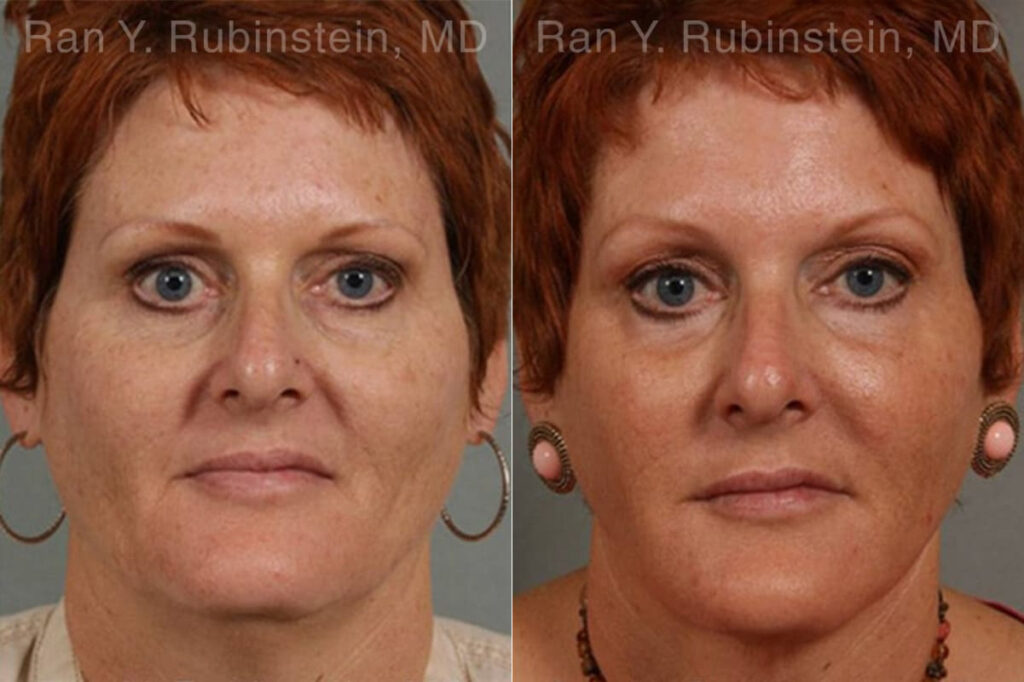
Laser or Skin-Focused Treatments
When the main concern is skin quality — such as fine wrinkles, early aging changes, or dull texture — laser rejuvenation may replace the need for filler. Laser treatments can improve:
- Skin tone
- Skin texture
- Fine lines
- Early laxity
They create smoother, healthier skin without adding unnecessary volume.
What to Look for in a Doctor
Choosing the right provider is the cornerstone of avoiding overfilled face syndrome.
Strong Credentials
Look for a doctor who is:
- Board-certified in facial plastic surgery
- Focused exclusively on the face
- Experienced in dermal filler injections
- Trained in advanced anatomy and aging patterns
Conservative, Natural-Focused Philosophy
A responsible aesthetic practice prioritizes:
- Natural facial expression
- Subtle enhancement
- Careful volume placement
- Long-term plans over quick fixes
A Personalized Approach to Fillers
Your provider should:
- Assess your entire face before treating
- Recommend filler strategically
- Explain how aging will affect results
- Avoid “syringe-driven” decision making
Transparency in Planning
You should expect:
- Clear discussions about filler types
- Realistic expectations
- Honest feedback about what’s appropriate
- Guidance on when fillers are, or are not, the best option
These principles ensure safety and prevent excessive filler injection.
Minor Correction Options When Overfilling Occurs
Although preventative care is the best strategy, small corrections are sometimes needed. If excess hyaluronic acid filler causes heaviness or puffiness, an experienced provider can adjust the results gradually. This may involve dissolving a portion of the filler or reshaping it subtly to restore balance.
Correction is always more limited than prevention — which is why working with a skilled injector from the beginning is so important.
Frequently Asked Questions About Overfilled Face Syndrome
Overfilling often happens when too much filler is placed in one area without considering overall facial proportions. Prevention starts with choosing a specialist who understands facial structures, fat compartments, and aging patterns. A conservative approach using small amounts of filler over time helps maintain a natural appearance. Planning treatment with a facial plastic surgeon ensures results support your facial balance rather than distort it.
Common signs include puffy cheeks, loss of natural contours, exaggerated fullness in the midface, distorted lips, or a “pillow face” appearance. You may also notice changes in facial shadows or expression. These issues usually result from excessive volume, superficial placement, or filler in the wrong anatomical plane. Ultrasound is also a helpful tool that can be used to diagnose and help guide treatment for the overfilled face. A consultation can confirm whether the issue is related to filler or to natural facial aging.
Yes, in many cases excess volume from hyaluronic acid fillers can be adjusted or reduced. Correction should be done carefully to preserve symmetry and natural facial features. Some patients need gradual refinement over multiple sessions rather than a single correction. Prevention, however, remains the best strategy — choosing a conservative injector reduces the risk of needing corrective procedures.
Dermal fillers are considered safe when performed by a board-certified facial plastic surgeon or similarly trained specialist. Expertise in anatomy, injection techniques, and product selection helps minimize the risk of complications. A skilled injector uses fillers to enhance facial contours without overwhelming natural features. Proper diagnosis, personalized planning, and conservative application contribute to both safety and natural results.
Balanced facial proportions are essential for achieving a natural look. Fillers work best when they support existing facial structures rather than mask them. A specialist evaluates how the midface, jawline, lips, and forehead relate to each other before recommending filler placement. Respecting these proportions prevents exaggerated fullness and facial distortion.
Fillers may not be ideal when sagging skin, loosened tissues, or deeper structural aging are present. In these cases, procedures like a facelift, neck lift, or fat transfer may achieve more natural, long-lasting results. Fillers add volume — they cannot lift facial structures or tighten loose skin. A comprehensive evaluation helps determine whether volume, structure, or skin quality is the primary concern.
No. Different fillers vary in thickness, firmness, and elasticity. Some are designed for fine lines, while others support deeper structural areas such as the cheeks or jawline. Softer fillers may migrate or look puffy if placed incorrectly, while firmer fillers may appear heavy if used superficially. Proper selection and placement play a major role in preventing unnatural fullness.
As we age, midfacial fat compartments shift and bone structure changes. Simply adding filler without considering these deeper changes can worsen facial heaviness or lead to overcorrection. Understanding facial topography and the role of superficial fat helps determine where volume is needed — and where it should be avoided. A specialist tailors each treatment to these anatomical changes.
Yes — but subtle enhancement is usually safer and more natural than overfilling. A conservative approach allows patients to add more filler later if needed. Excessive filling often leads to facial imbalance, whereas careful dosing supports youthful contours without distortion. Most patients prefer slow, incremental improvement over dramatic changes.
Most fillers last 6–18 months depending on the product and treatment area. A specialist evaluates how the face changes over time before recommending additional volume. Repeating treatments too frequently can contribute to buildup and exaggerated fullness. Regular assessments help maintain natural balance and prevent cumulative overfilling.
Final Thoughts: Achieving a Natural, Balanced Look
Overfilled face syndrome highlights what happens when filler injections prioritize volume over harmony. Puffy cheeks, distorted contours, and exaggerated fullness can overshadow your natural beauty. But with thoughtful planning, conservative injection techniques, and guidance from a facial specialist, fillers can produce subtle, refined enhancements that honor your facial proportions.
Dr. Rubinstein’s expertise in aesthetic medicine, facial anatomy, and long-term aging patterns ensures your results stay soft, balanced, and authentically you. If you’re considering dermal fillers or want a second opinion on your current results, schedule a consultation at Laser & Cosmetic Surgery Specialists in New York or New Jersey. Together, you can build a customized plan that enhances your facial features — without risking an overfilled appearance